Monochrome
One colour, top to toe. The purest minimalist statement. With nothing to distract, the cut and the way light falls on the fabric become the whole look.
Best for: maximum impact, minimum effort.
The background
Minimalism is the art of taking away. It grew out of modernist design and quiet luxury, the idea that a few excellent things, chosen with care, beat a wardrobe full of noise. No logos, no loud colour, no trend for the sake of it. Just clean shapes and good cloth, worn with intent.
At its core it's about three things: restraint, fit and quality. A palette of neutrals you rarely leave. Pieces plain enough to wear a hundred ways. And a standard of fit and fabric high enough that simplicity reads as considered, never as an afterthought. Done right, minimalism is the most confident thing you can wear.
The building blocks
Six plain, excellent pieces. Own these and you can build a week of outfits without a single logo or a drop of colour.
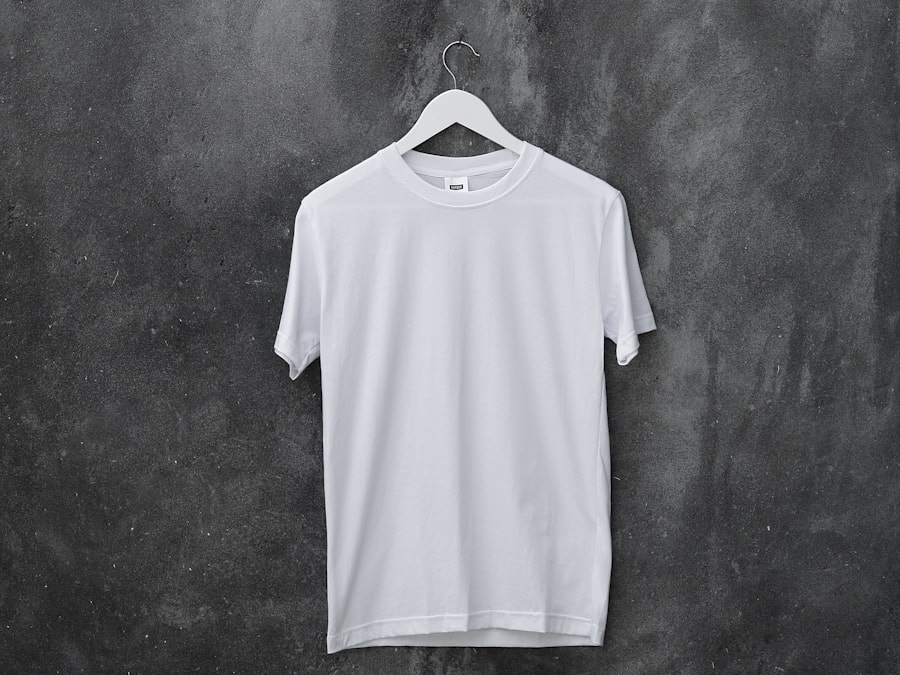
White, grey or black, in heavy cotton with a clean neckline. No graphics. The quiet base of almost everything.
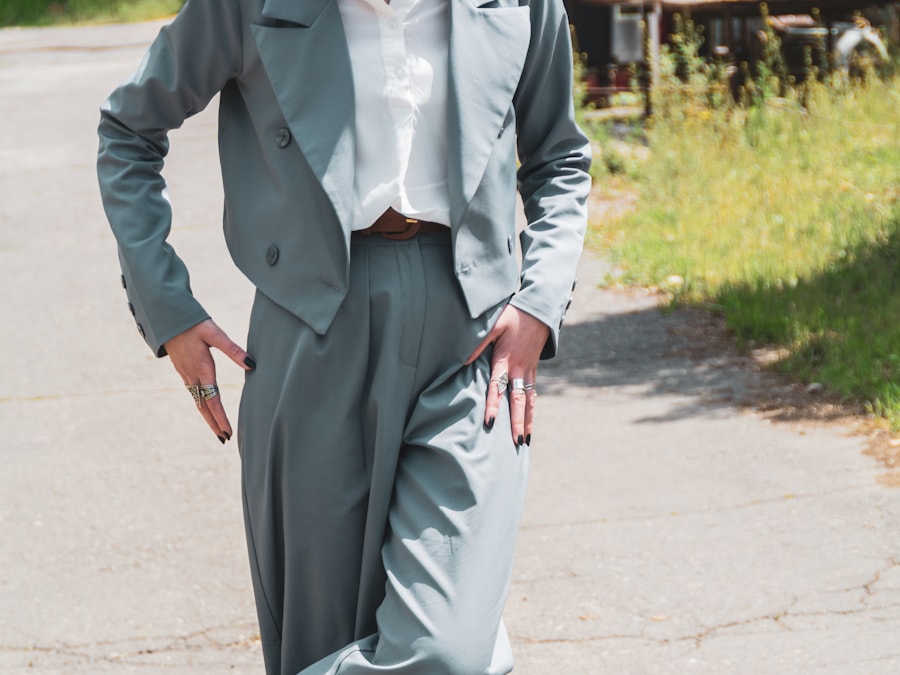
Grey, black or stone, with a clean line from hip to hem. The piece that decides whether a simple fit reads as sharp or as scruffy.
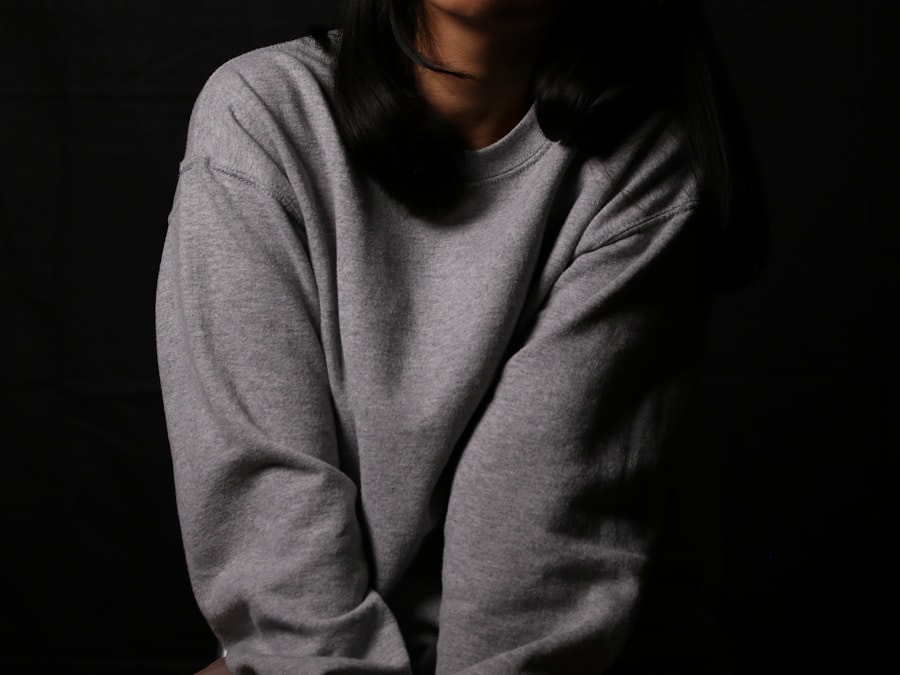
A fine crew or roll neck in a neutral. Warmth and a second texture in one piece, dressy enough to wear on its own.
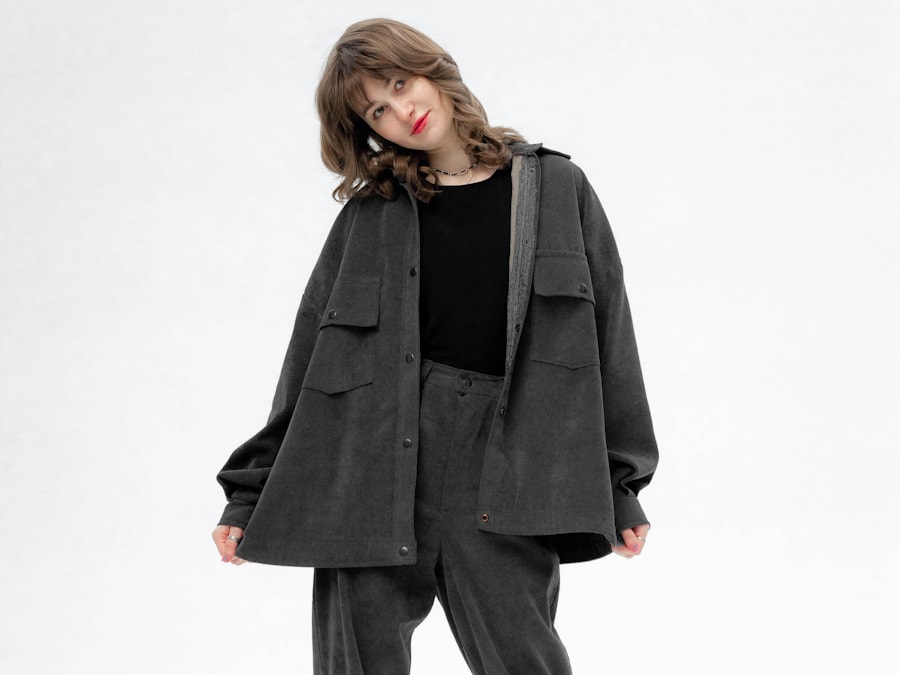
Grey or stone, unstructured, worn open or closed. The easiest layer to add depth without adding weight or colour.
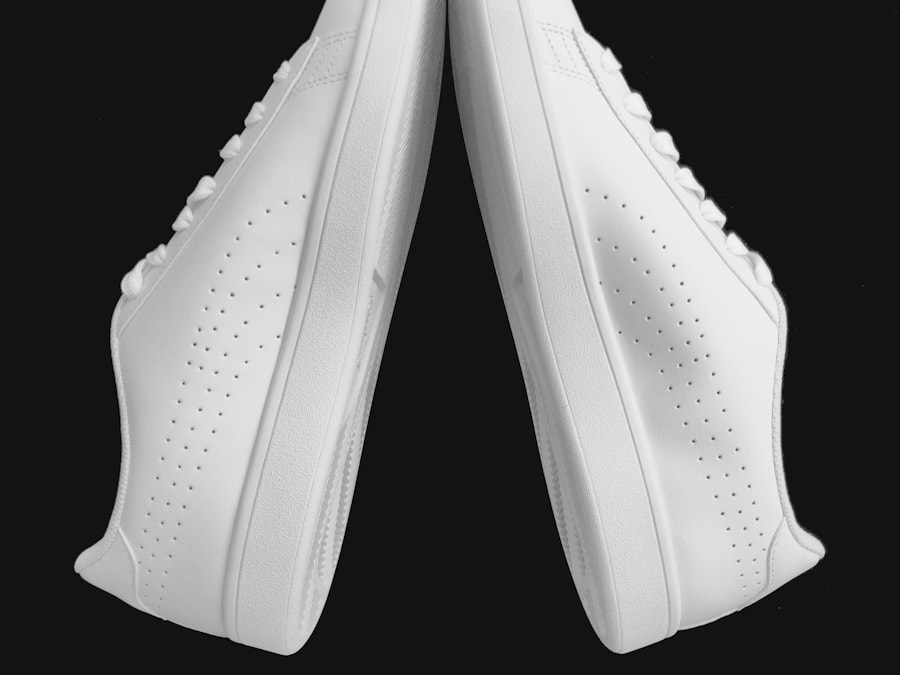
Clean, low-profile, in plain leather. The minimalist's default shoe. One good pair, kept fresh, goes with everything.
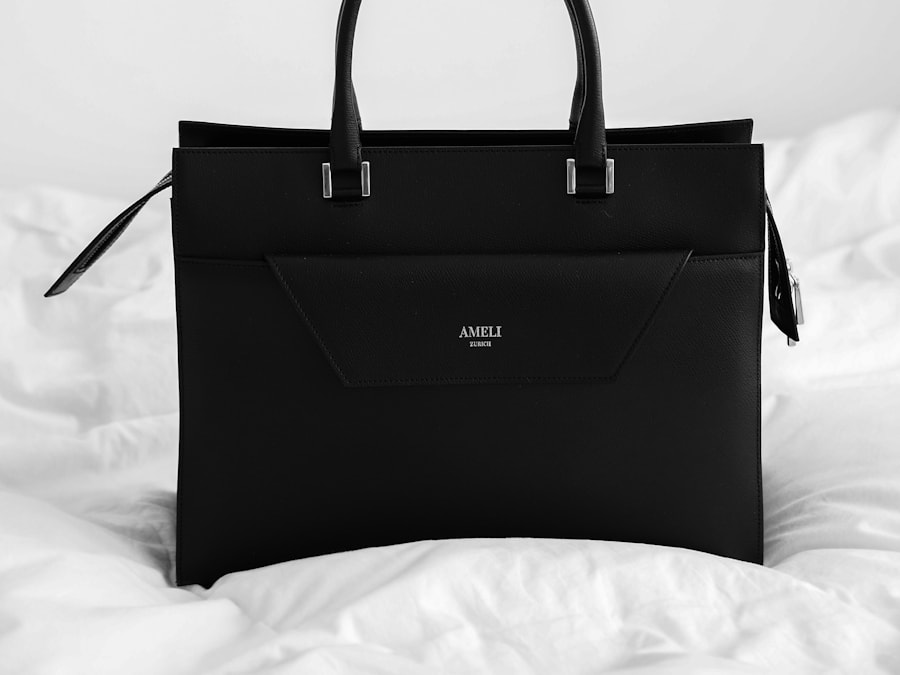
Black or tan leather, clean lines, no hardware shouting. The one accessory a minimalist actually needs.
See it worn
Tap any look to shop the pieces. No gatekeeping, everything you see here is something you can build.
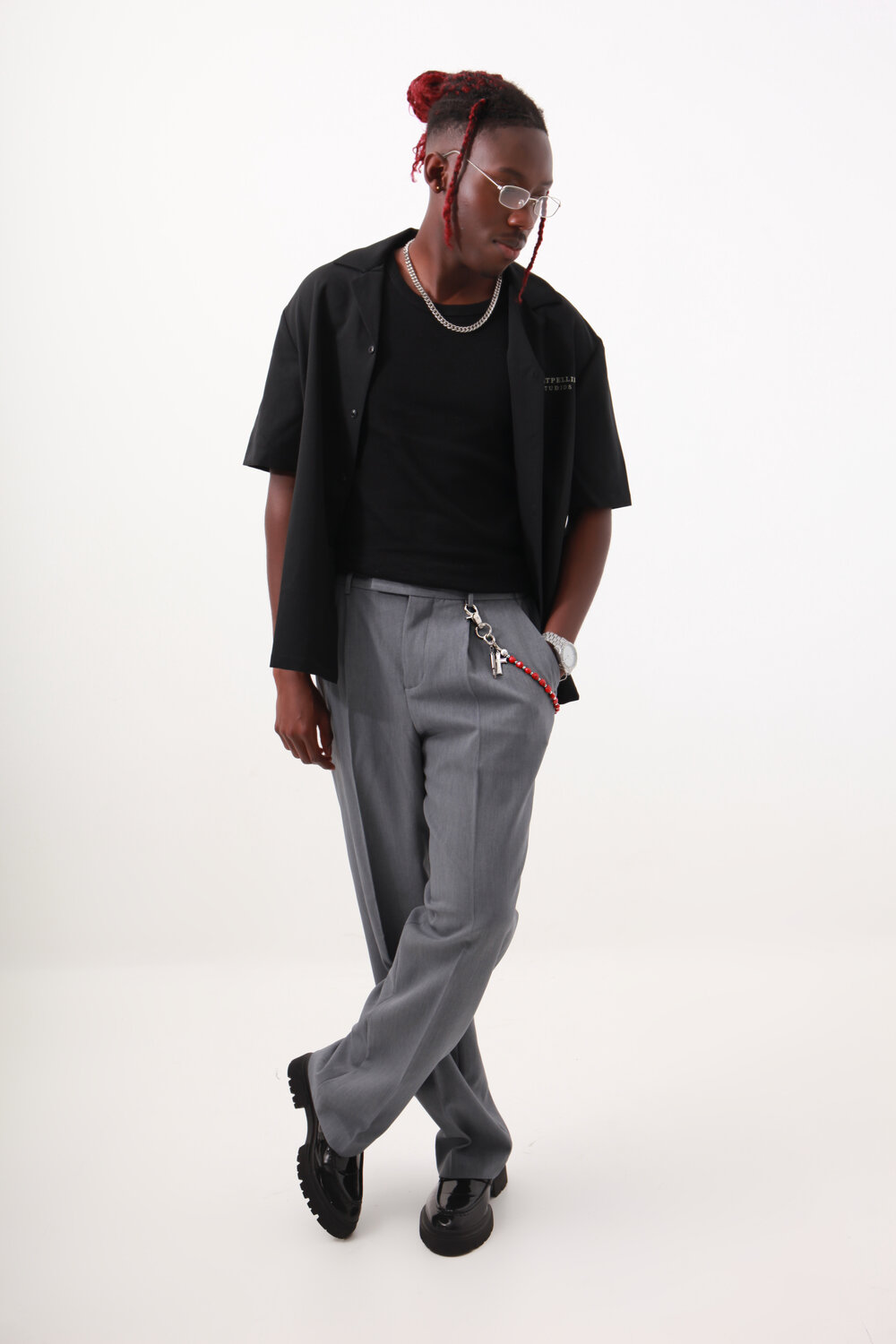 Shop the look
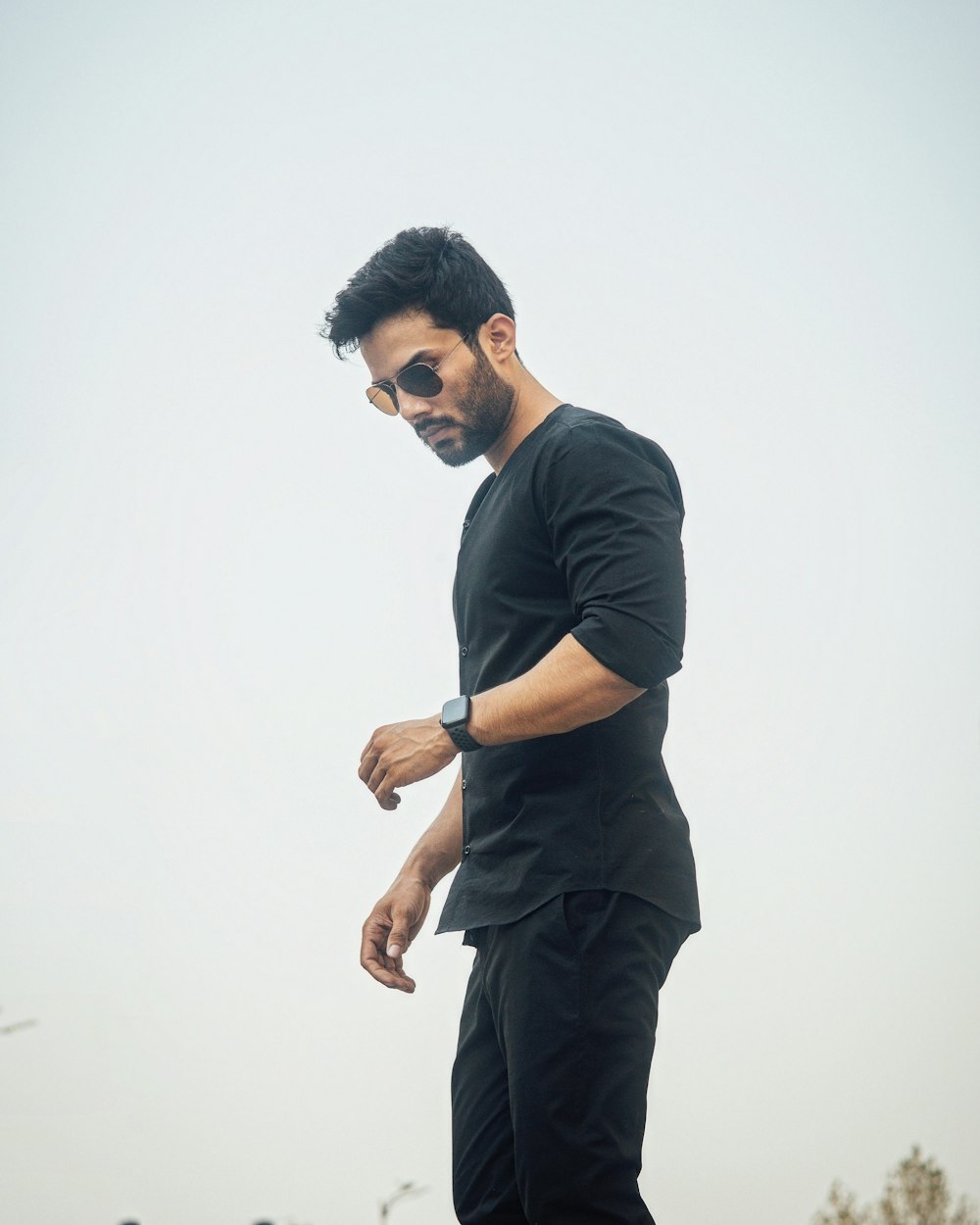 Shop the look
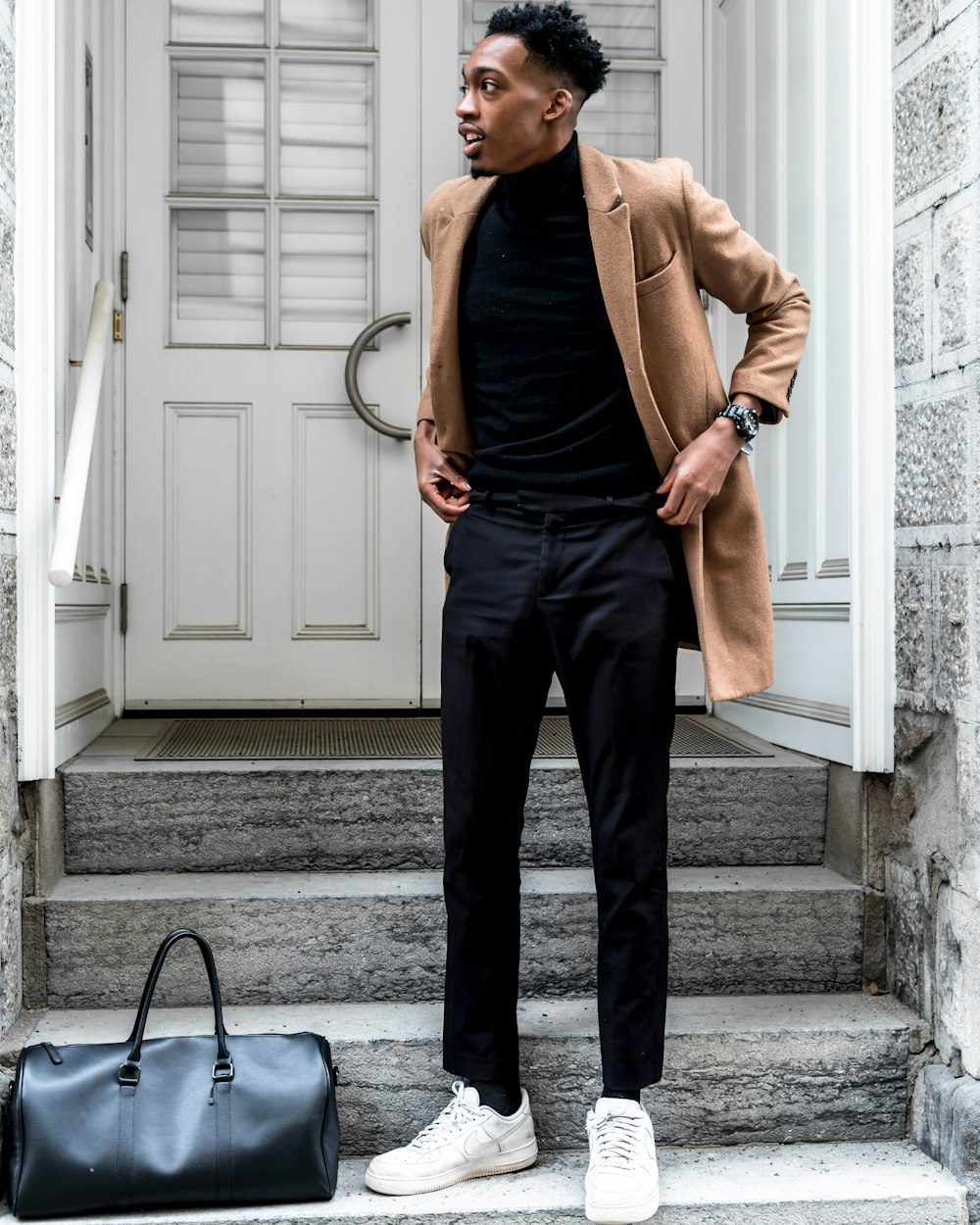 Shop the look
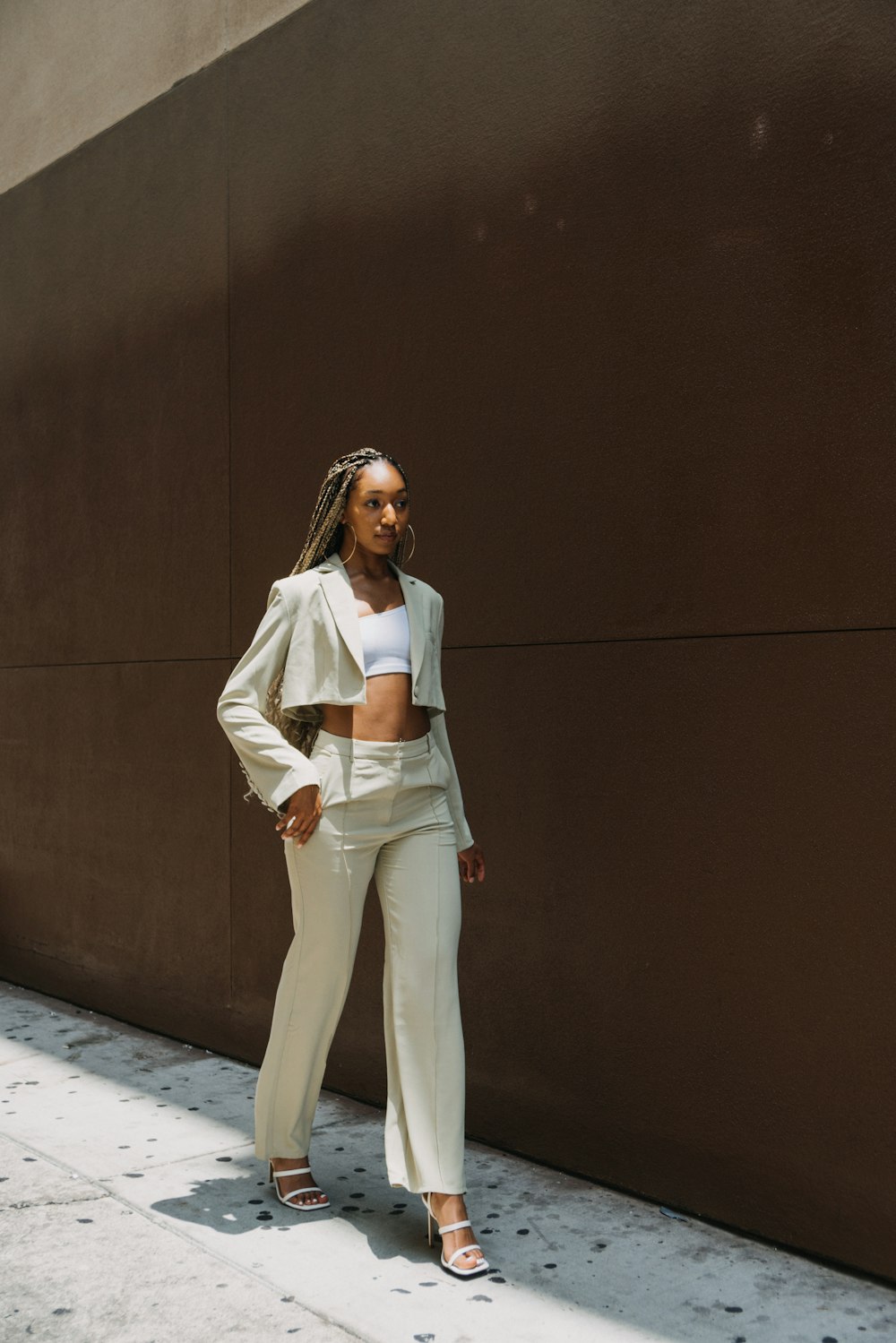 Shop the look
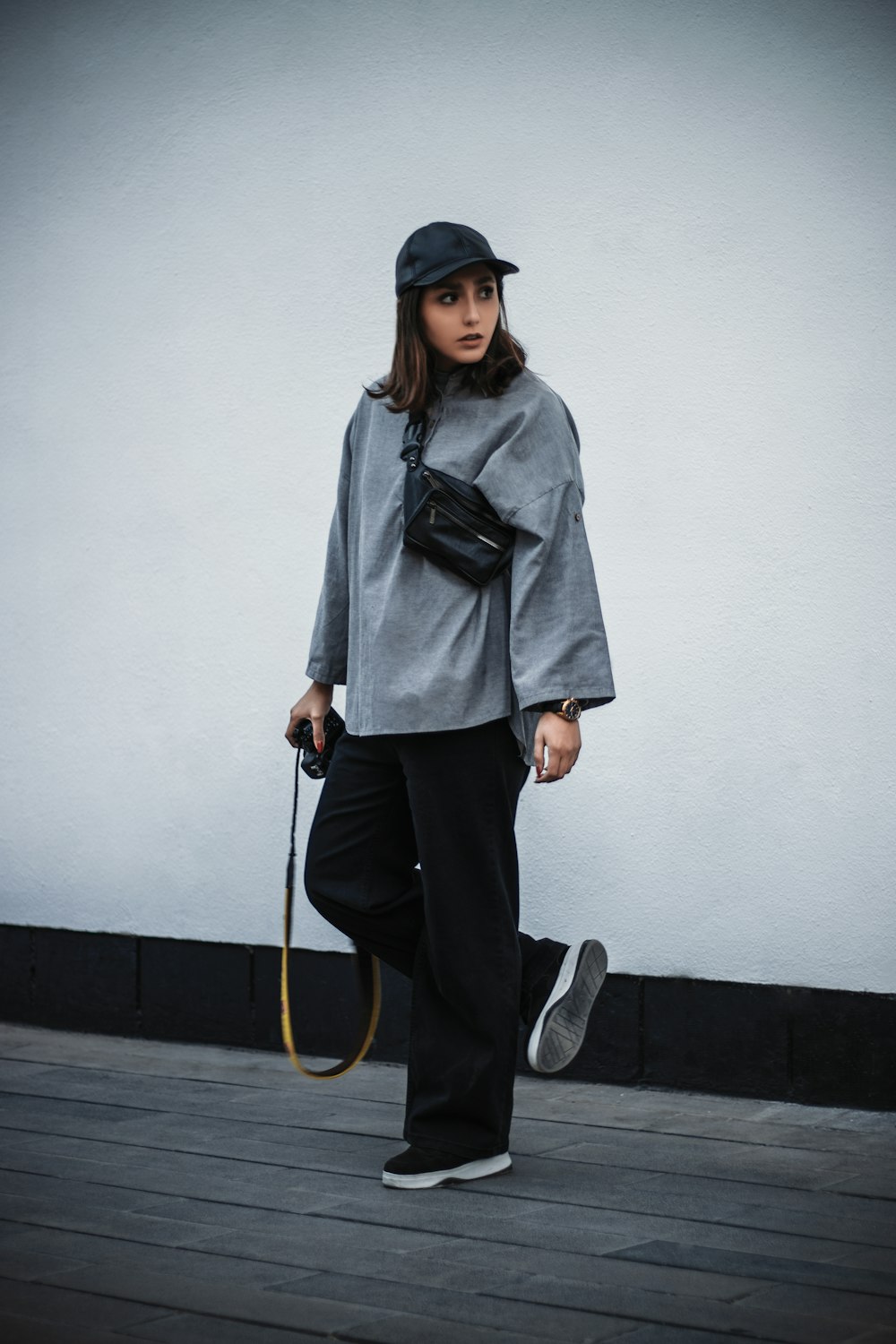 Shop the look
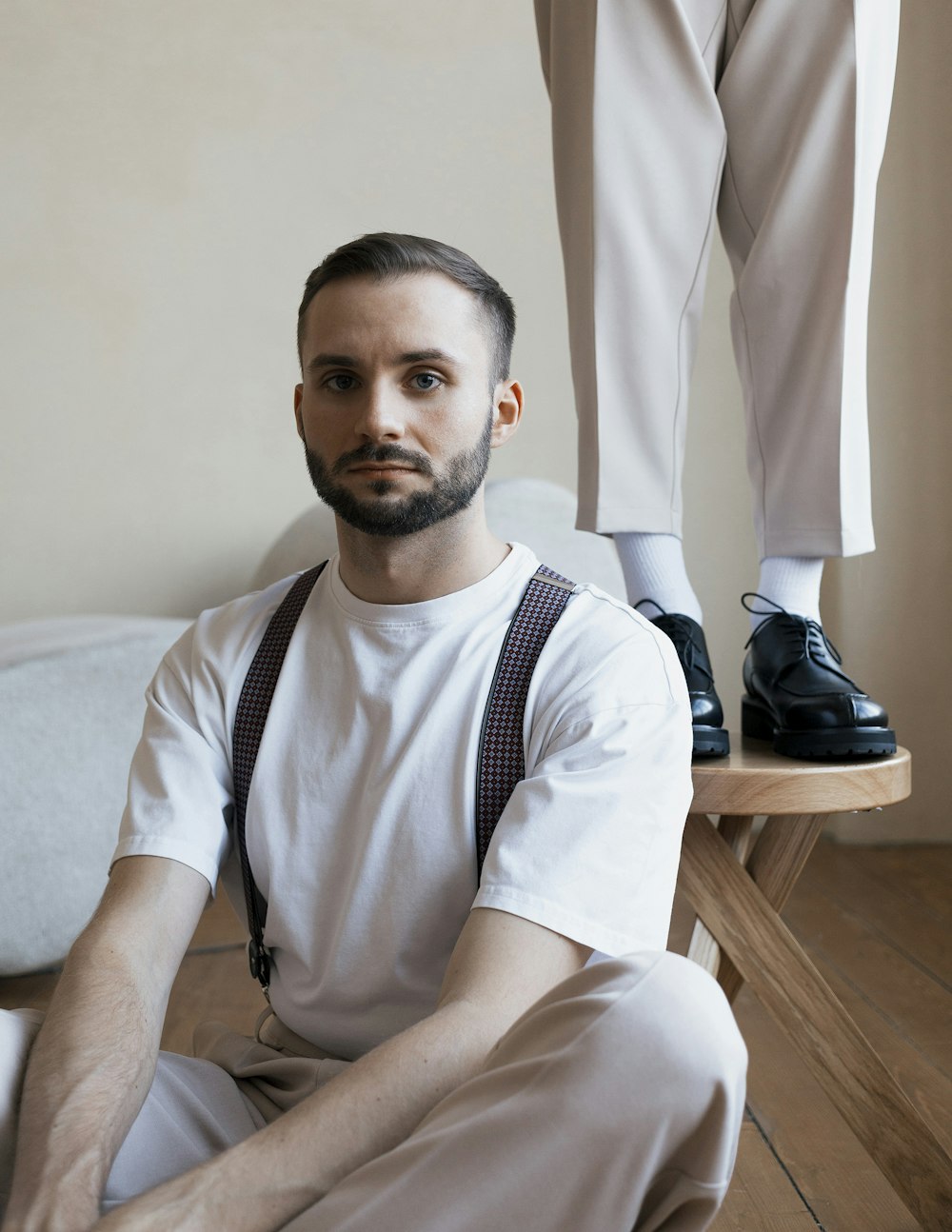 Shop the look
The formula
The same minimalist DNA, refined one considered step at a time. Tap any look to shop it.
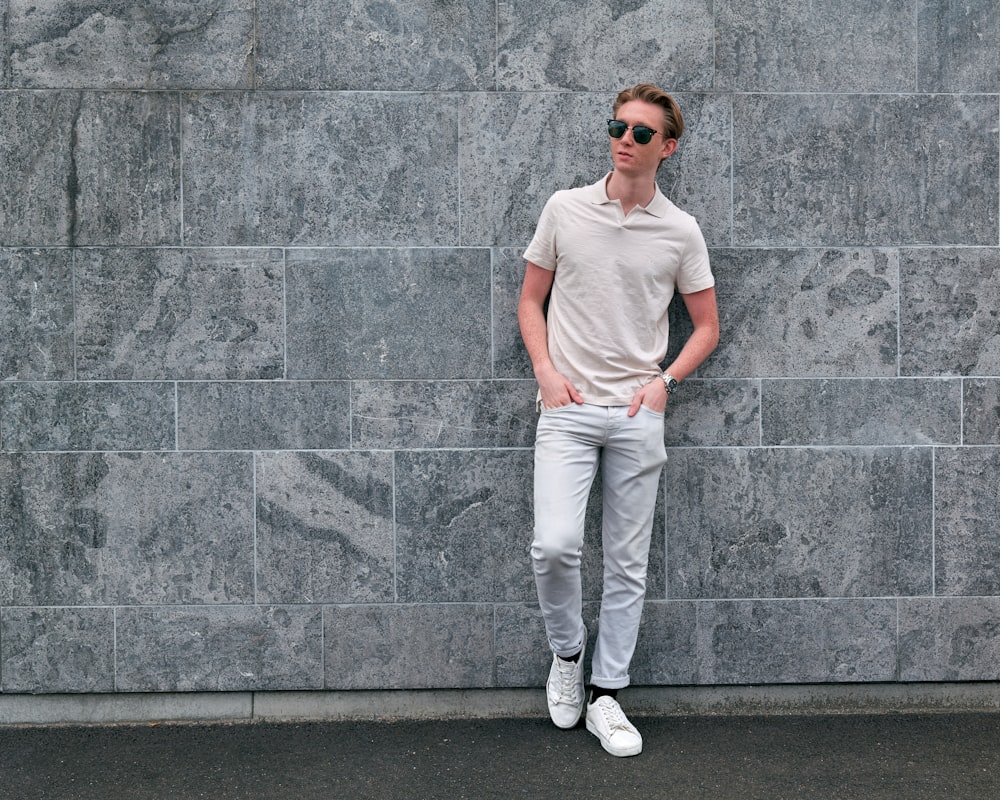 Beginner Shop the look
One light tone, a clean shirt, simple trousers and white trainers. Nothing to think about, and it already looks intentional. Master this before you reach for anything else.
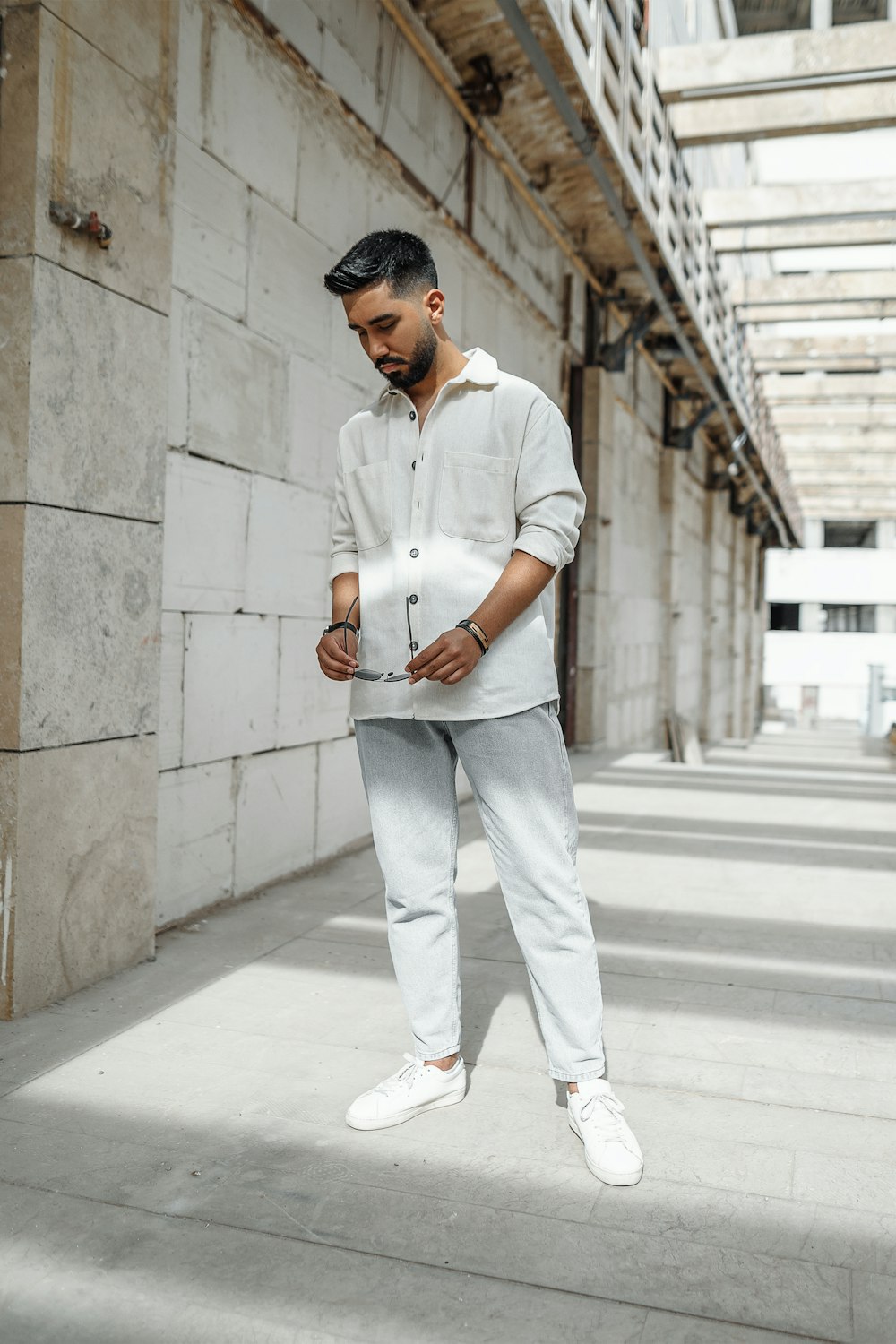 Intermediate Shop the look
What changed: an overshirt over the base, still in the same tone. Now there is texture and a second layer without a single new colour. One deliberate step up, nothing more.
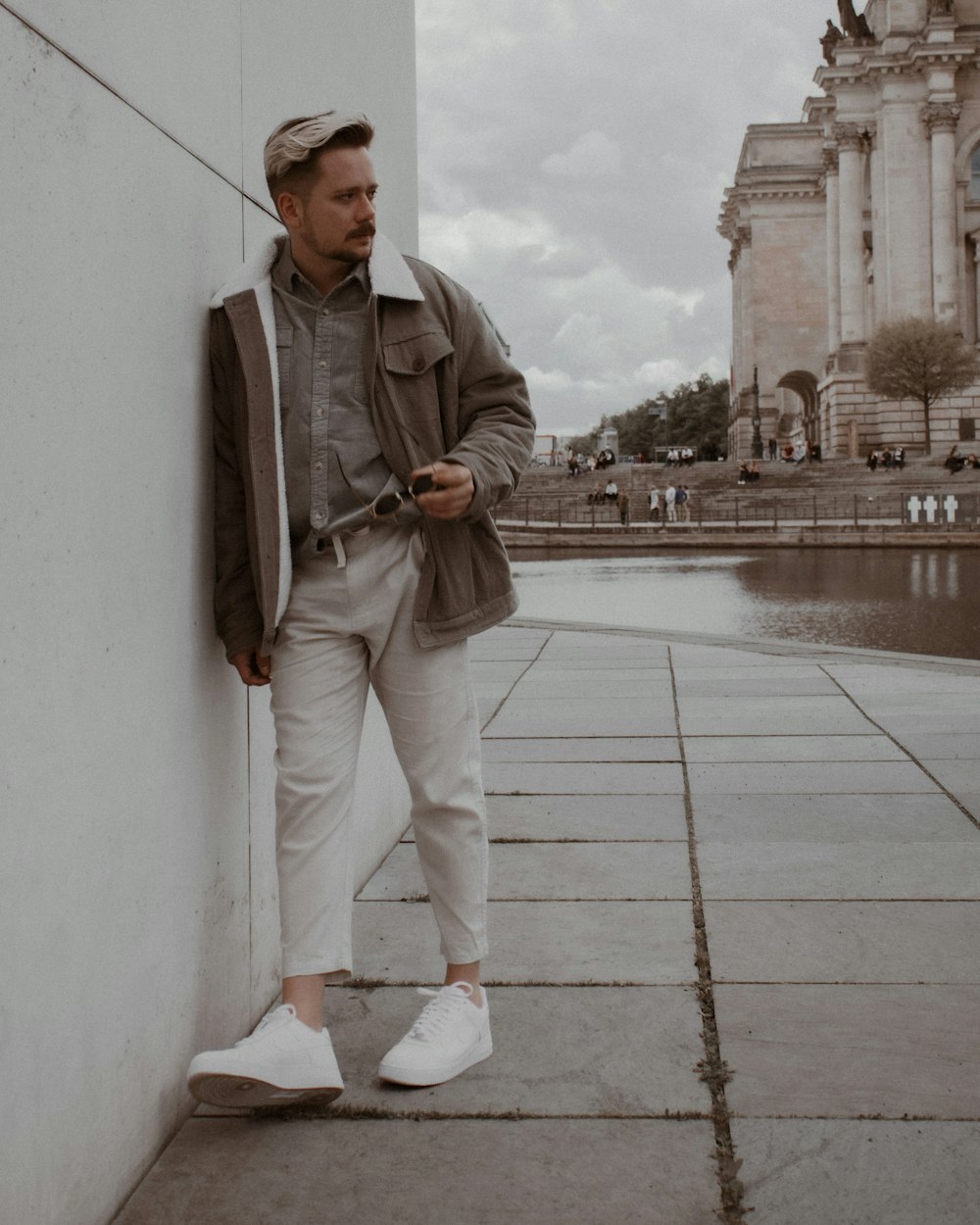 Advanced Shop the look
Why it's advanced: warm neutrals layered with intent, every piece a slightly different shade of the same idea, and the fit kept relaxed but clean. The palette does all the work.
Colour
Minimalism lives in a palette you could count on one hand: black, white, grey, cream, navy. The skill is making that restraint feel intentional rather than empty. Three ways to build a look, and whether colour belongs at all.
One colour, top to toe. The purest minimalist statement. With nothing to distract, the cut and the way light falls on the fabric become the whole look.
Best for: maximum impact, minimum effort.
A single clean contrast: white against black, or cream against navy. One of each, nothing in between. The most graphic a minimalist palette gets.
Best for: sharp, and impossible to get wrong.
Creams, tans and stone, layered in slightly different shades. A softer minimalism that still never leaves neutral, and reads warm rather than austere.
Best for: minimalism that feels approachable.
Keep neutrals in one lane
Even neutrals have a temperature. Mixing warm and cool in the same fit is what quietly makes a simple outfit feel slightly off. Choose a side and the restraint looks deliberate.
Warm neutrals
Cool neutrals
Does colour belong?
Minimalism rarely uses colour at all. If you reach for it, keep it to one muted piece, and even then, ask whether the look is better without it. It usually is.
When in doubt, take the colour out. Restraint almost always wins here.
Layering
Minimalist layering is subtraction, not addition. Two or three pieces, all in the same family, each with a clear job. If a layer is not earning its place, take it off.
Plain and clean
A plain tee or a fine knit. No graphics, no logos, just good cotton and a clean neckline. The quietest piece, and the one you build everything on.
Cotton tee · fine merino · roll neck
The one texture
An overshirt or fine jumper. The single place a second texture is allowed in, so make it count. Keep it in the same tone as the base.
Overshirt · fine knit · unstructured jacket
One considered whole
A coat or unstructured jacket, kept in the same family so the whole thing reads as one idea. Structure, without noise or shine.
Overcoat · mac · unlined blazer
The whole point
The fewer the pieces, the more each one has to be right. There is nowhere to hide in a minimalist fit, so spend where it shows.
Keep it together
Every layer stays inside the same narrow palette. The contrast comes from cut and cloth, never from colour.
Texture
With a palette this quiet, texture is the only contrast you get. A matte cotton and a ribbed knit in the same grey read as two different things, and that is what stops minimalism from looking flat or cheap.
A crisp cotton shirt under a soft wool knit. Smooth against matte, the everyday minimalist contrast.
A soft jersey tee with structured raw denim. Two plain fabrics that feel completely different.
A fine knit over a crisp poplin shirt, collar out. Soft over sharp, the definition of understated.
A leather bag against a canvas or cotton overshirt. Hard meets soft, and the only accent you need.
Suede trainers with plain cotton trousers. A small dose of nap lifts an otherwise flat fit.
A matte technical shell over fine wool. Modern minimalism, sport against tailoring.
One rule to remember: if two pieces are the same colour, make sure they are not the same cloth. In minimalism, that difference is the entire outfit.
Put it together
One order to follow when you are dressing. Decide each piece before you add the next, and stop early.
In one line
If you remember nothing else, remember this.
Get it right
Do
Don't
Worth knowing
A starting map, not a shopping list. We don't earn from any of these, and great minimalism is as much about buying less as buying any particular label.
Footwear & finishing
Keep learning
Start with you
Take the two-minute Style DNA quiz to find out what you're really drawn to, then explore the styles that fit.