Navy and neutrals
Navy anchoring cream, grey and white. The default old money palette, and the safest smart combination there is. It works in every season and never dates.
Best for: looking the part with zero risk.
The background
Old money style is the look of inherited taste. It comes from country houses and boat clubs, from wardrobes built slowly and worn for decades rather than seasons. Where new money reaches for logos, old money quietly removes them. The whole point is to look effortless, expensive and completely unbothered by trends.
At its core it's about three things: heritage, quality and restraint. Natural fabrics in muted colours. Soft-shouldered tailoring worn with ease, never stiffness. And a confidence that comes from good cloth and a good fit rather than anything flashy. Done right, it reads as quiet wealth, whatever it actually cost.
The building blocks
Six heritage pieces. Own these and you can dress for a garden party, a members' club or a country weekend without buying a thing.
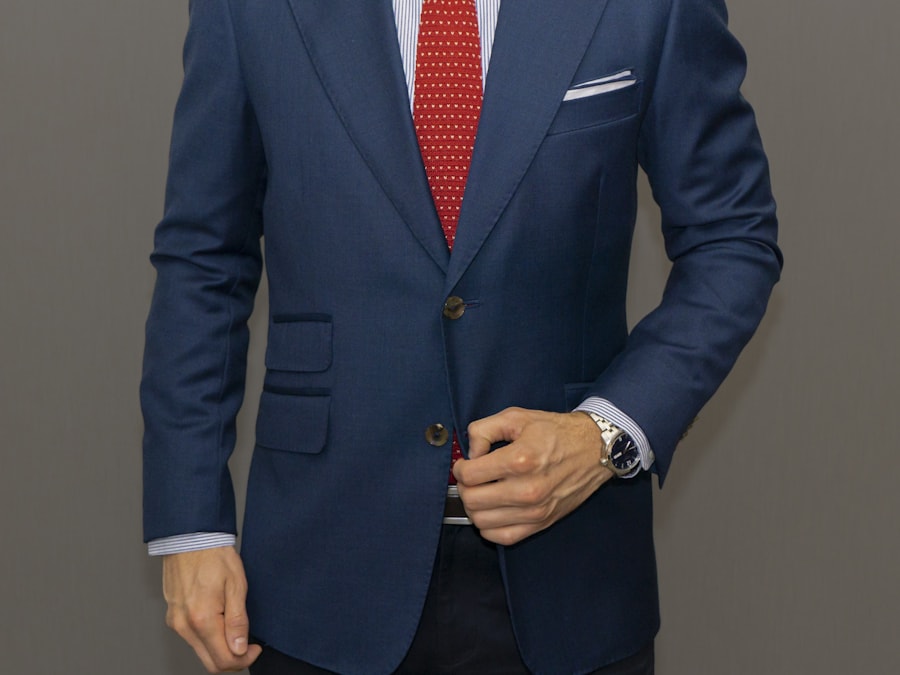
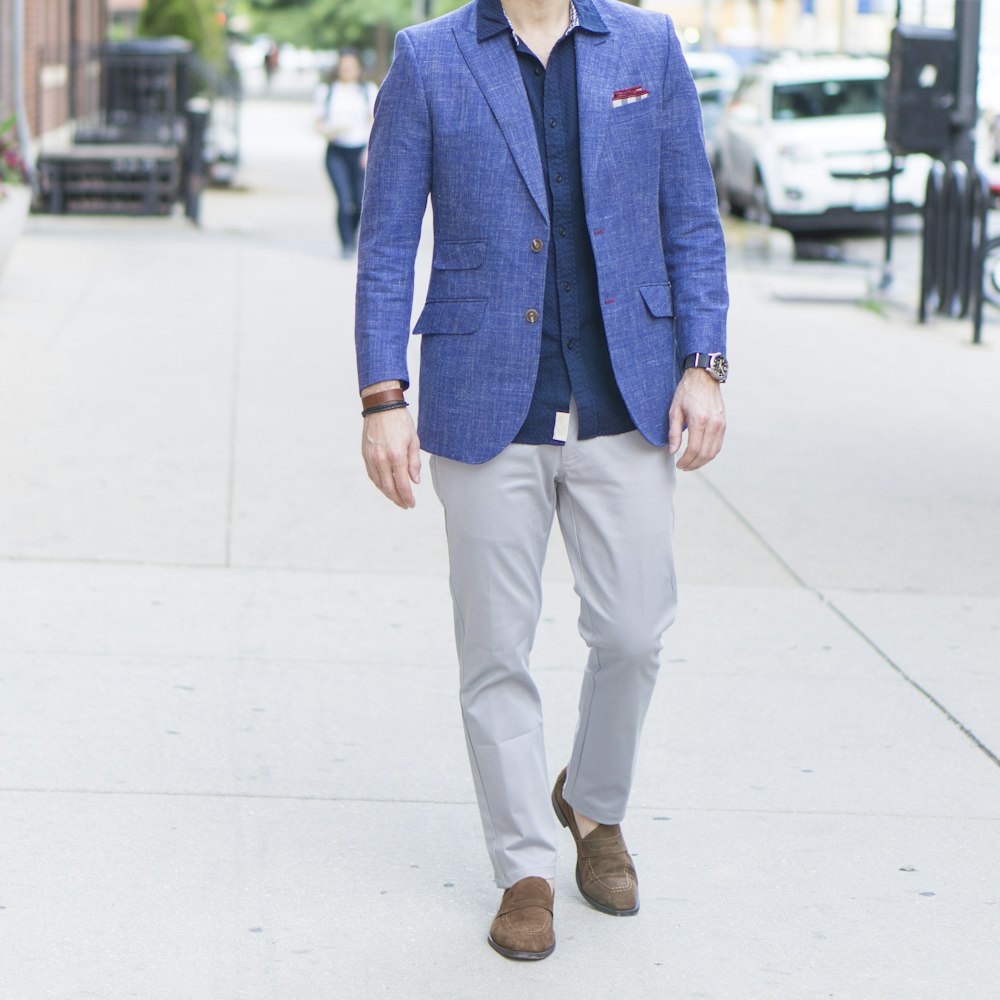
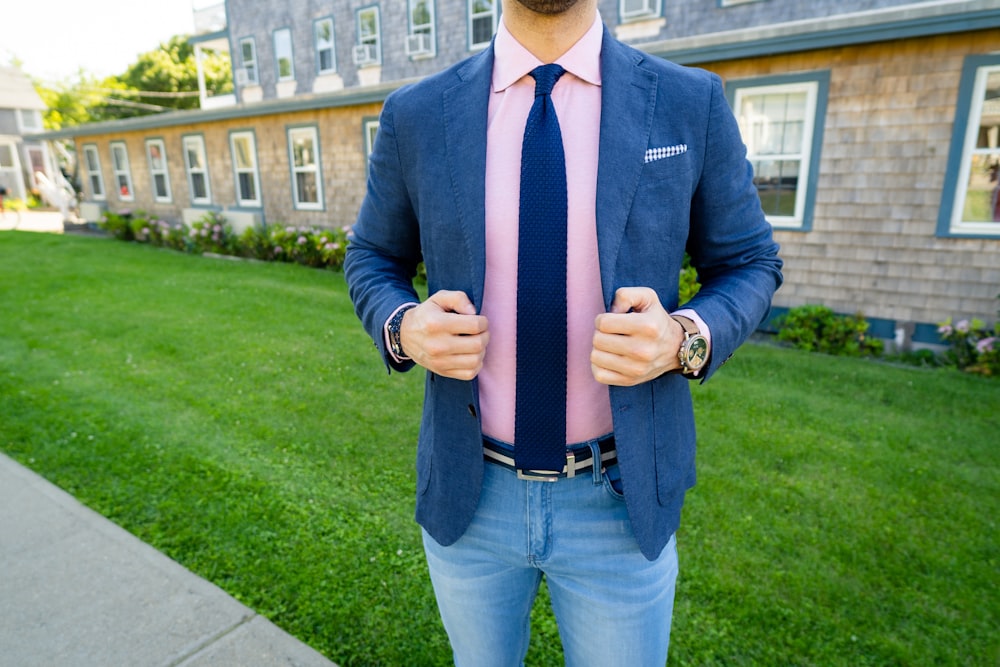
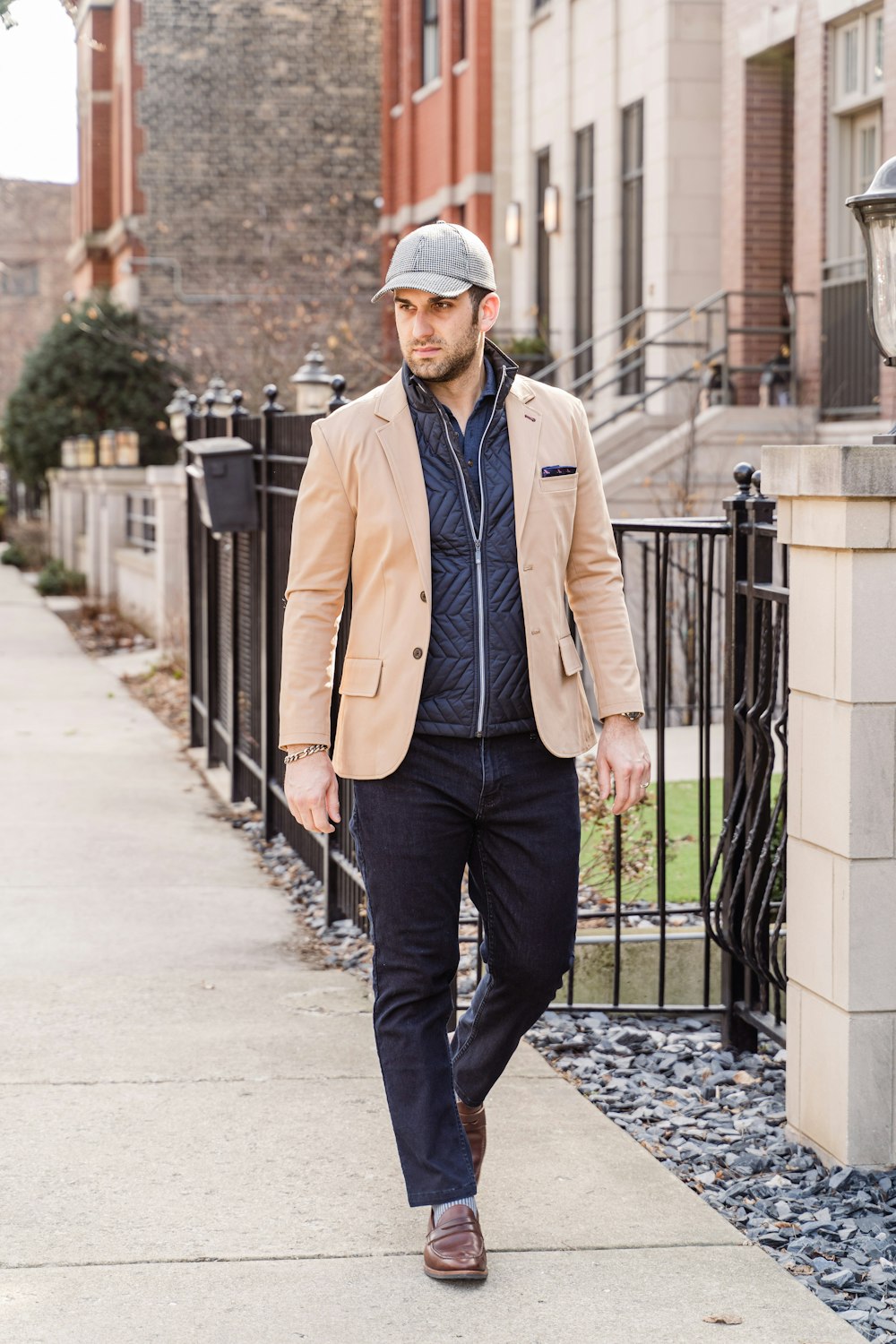
Soft-shouldered wool, in navy. The single most useful jacket you can own, dressed up with trousers or down with jeans.

Pale blue or white, in proper oxford cotton with a button-down collar. Sharp under a blazer, easy on its own.
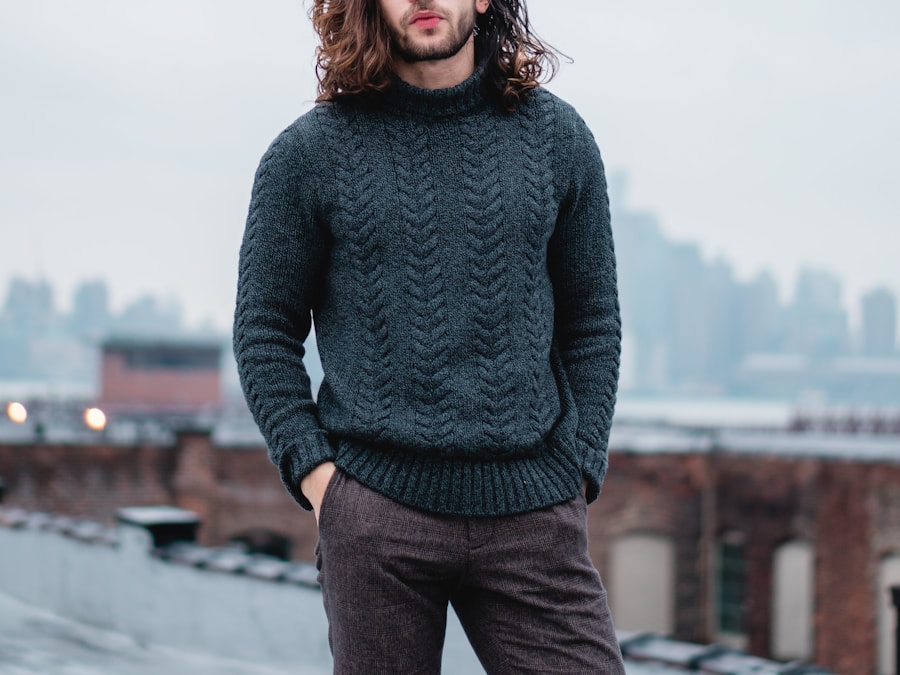
Wool or lambswool, in cream or navy. Warmth and heritage in one piece, worn on the body or slung over the shoulders.

Stone, tan or navy cotton, with a clean line. The relaxed trouser that still looks pulled together with a blazer.
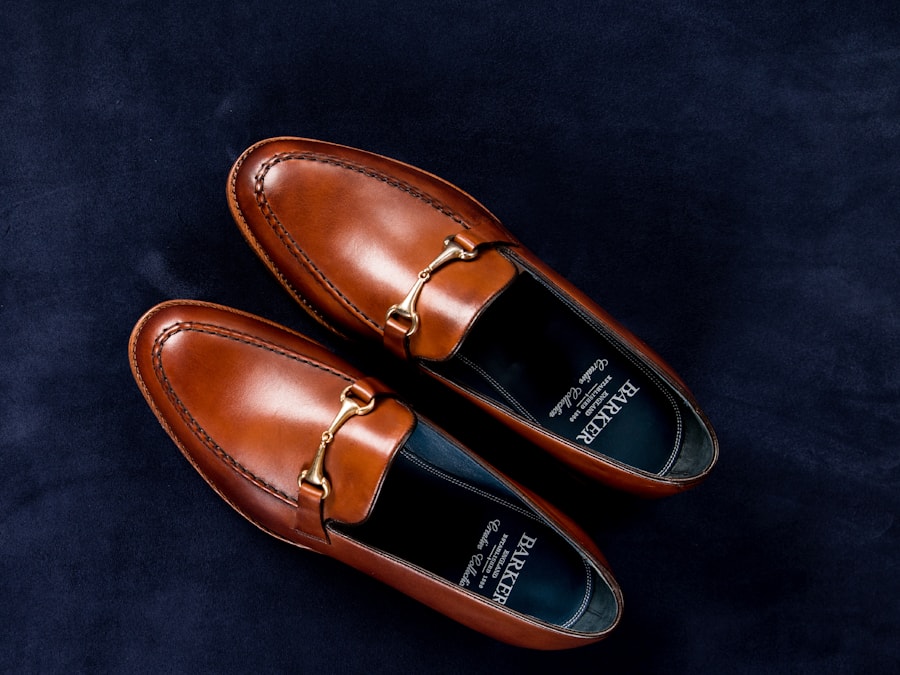
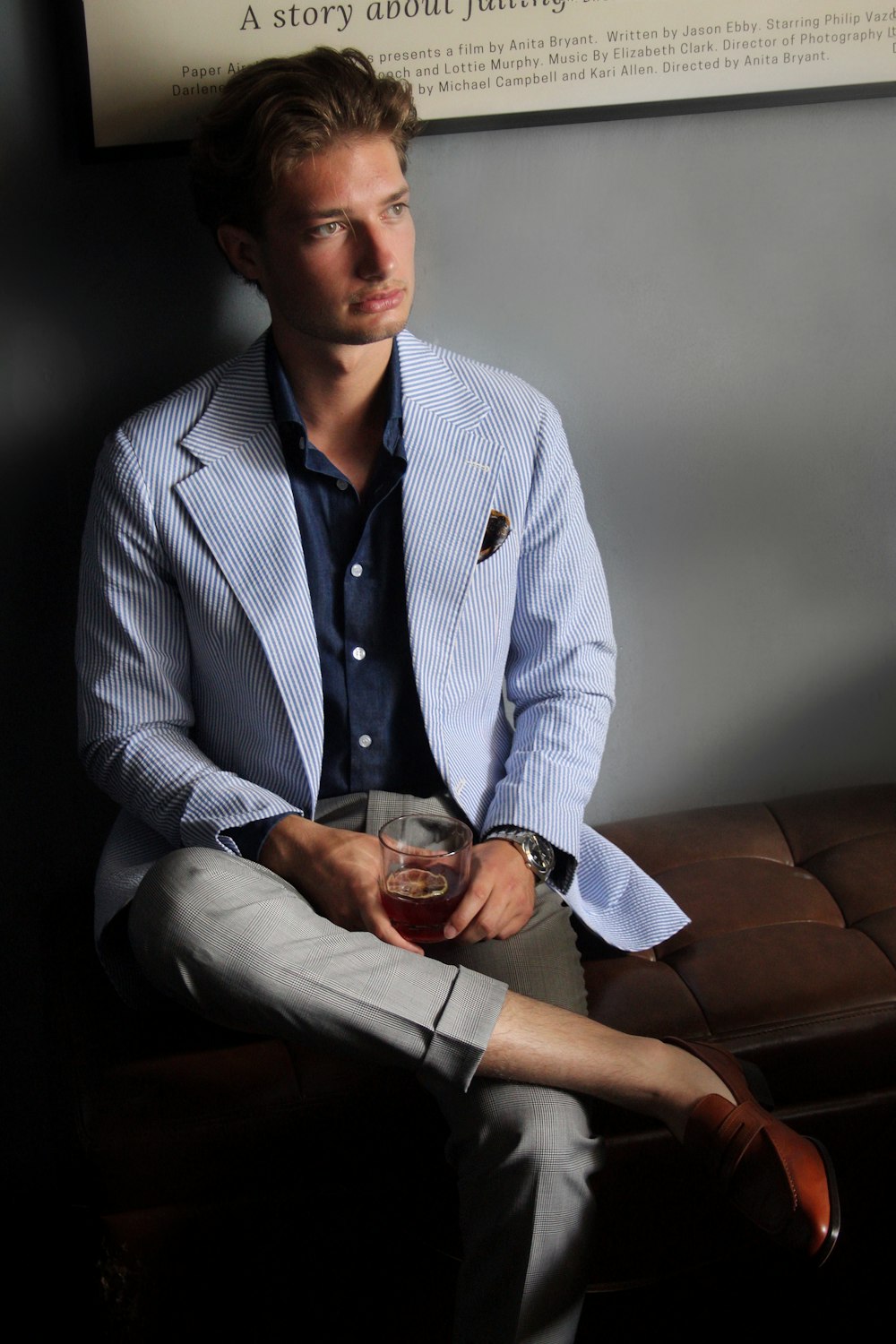
Brown leather or suede, worn with or without socks. The old money shoe, and one that only looks better with age.
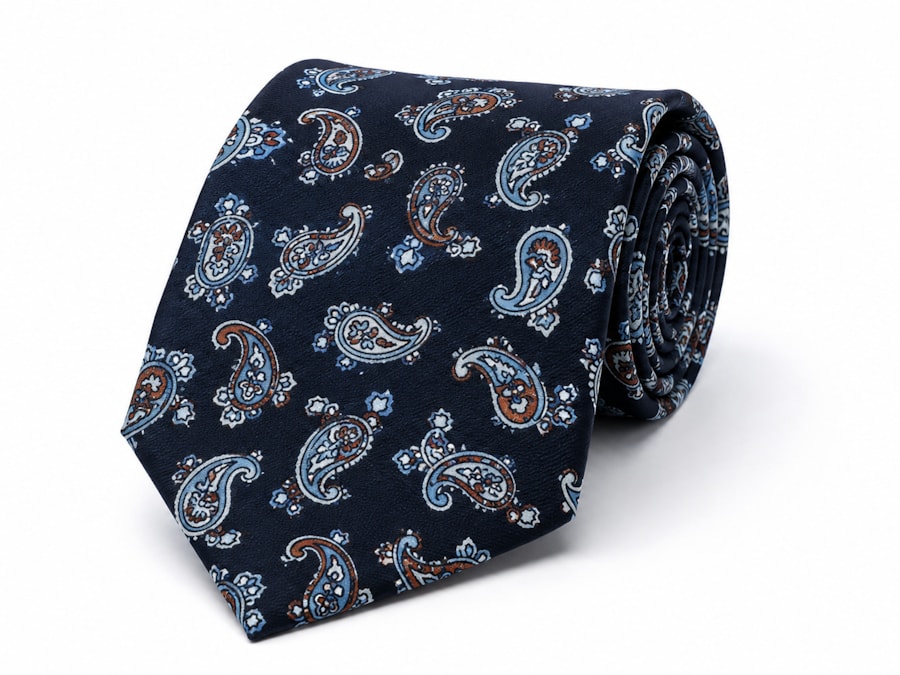
Navy, in a muted grenadine or paisley. The one flourish, kept quiet. A knitted tie does the same job, more casually.
See it worn
Tap any look to shop the pieces. No gatekeeping, everything you see here is something you can build.
 Shop the look
 Shop the look
 Shop the look
 Shop the look
 Shop the look
 Shop the look
The formula
The same old money DNA, built up one considered step at a time. Tap any look to shop it.
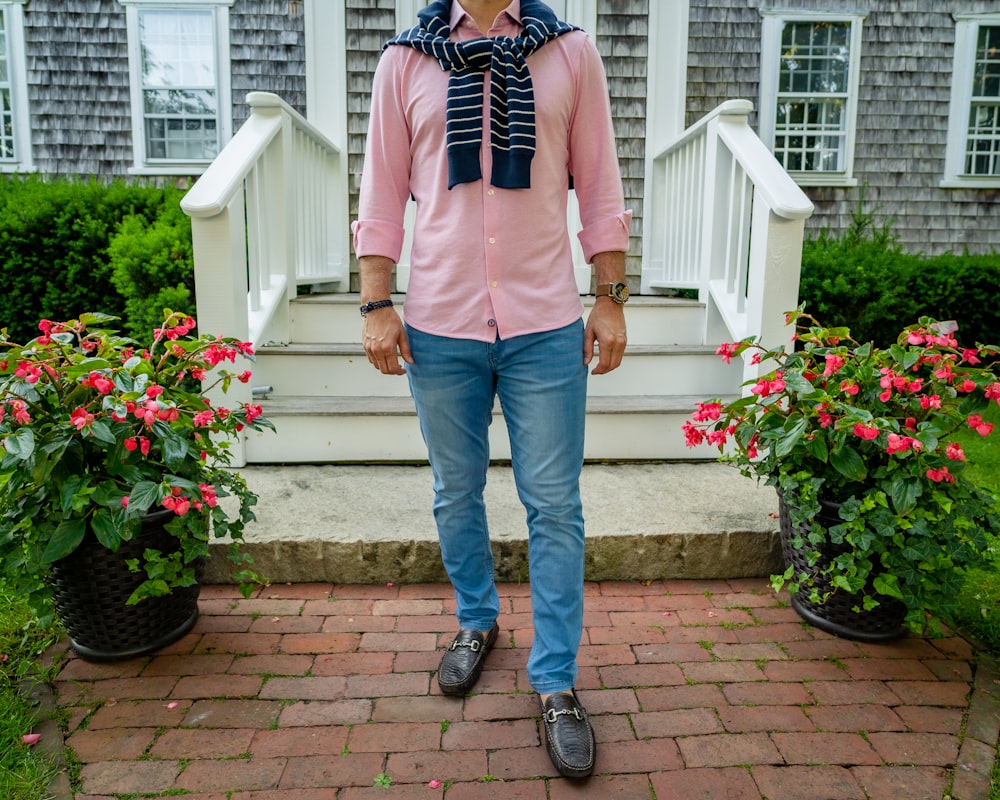 Beginner Shop the look
The easiest way in: a good oxford shirt, chinos or light jeans, and loafers. Sling a knit over your shoulders and you already look the part. No jacket required.
 Intermediate Shop the look
What changed: a soft blazer over the shirt. The jacket does the heavy lifting, and clean white trainers keep it from feeling stuffy. Smart, but still relaxed.
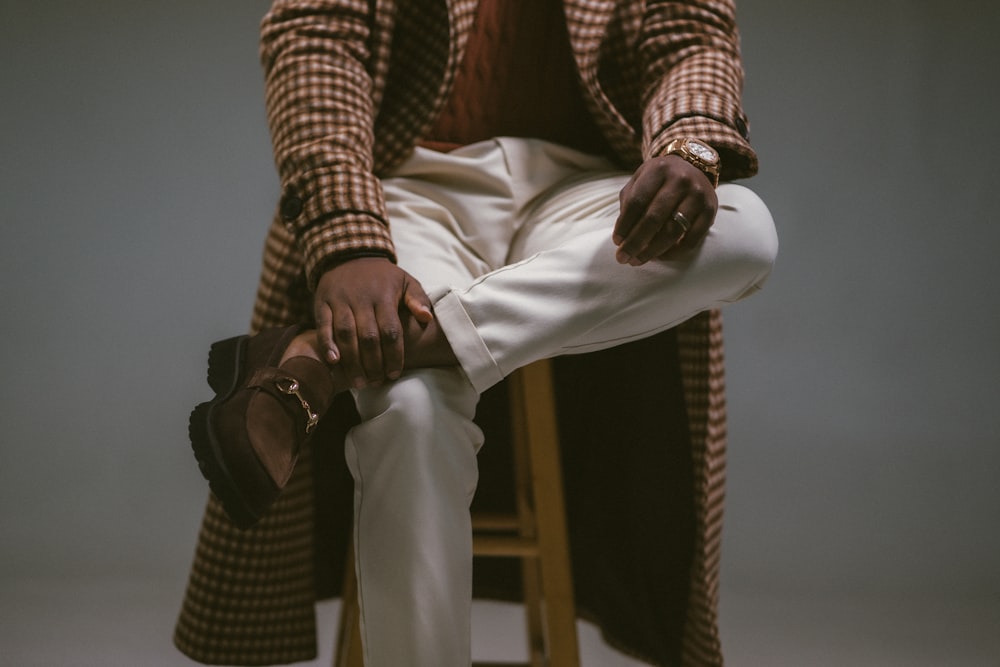 Advanced Shop the look
Why it's advanced: a patterned heritage jacket, cream trousers, and the confidence to let the cloth speak. Pattern is old money's one indulgence, and this is how you wear it without shouting.
Colour
Old money colour is heritage colour: navy, cream, camel, forest and grey, with the occasional soft prep accent. Nothing bright, nothing new. Three palettes to build from, and the one place a little colour is allowed.
Navy anchoring cream, grey and white. The default old money palette, and the safest smart combination there is. It works in every season and never dates.
Best for: looking the part with zero risk.
Camel, olive, brown and tan, layered together. Warm, textural and made for tweed and knitwear. The palette of a country weekend.
Best for: heritage layers and cooler months.
A soft pastel, pink, pale blue or butter yellow, against neutrals. The only real colour old money reaches for, and always in a muted, washed-out shade.
Best for: a little warmth, kept tasteful.
Keep neutrals in one lane
Even heritage neutrals have a temperature. Mixing warm and cool in the same fit is what quietly makes a considered outfit feel a little off. Choose a side and the whole thing settles.
Warm neutrals
Cool neutrals
Where the accent goes
Old money does use colour, but only in washed-out, heritage shades and only in one place. Keep it muted and it lifts the fit without breaking the quiet.
If a colour looks brand new or a little bit neon, it is not old money.
Layering
Old money layering is built on tailoring, but worn with ease. A shirt, a knit, a jacket, each in good cloth and none of it fussy. The whole trick is looking like you did not try.
The collar
An oxford shirt or a fine knit. The collar frames the face and sets the tone. Crisp but soft, never stiff, and always in good cotton.
Oxford shirt · fine knit · polo
Warmth and heritage
A jumper, waistcoat or gilet. This is where the heritage detail lives, and often a knit worn over the shoulders rather than the arms.
Cable knit · waistcoat · quilted gilet
Soft tailoring
A blazer, tweed jacket or overcoat, soft-shouldered and unstructured. Structure without stiffness, so it moves with you rather than holding you in.
Navy blazer · tweed jacket · overcoat
The whole point
Nothing too tight, nothing too new. A little wear and patina is part of the look, not a flaw in it.
The finishing touch
The heritage details are what make it, but only one at a time. Any more and it tips from quiet into costume.
Texture
Heritage style is a study in texture. Tweed, flannel, oxford cotton, cashmere and suede, all in muted colours, so the interest comes from how the fabrics feel rather than from how loud they are.
A heritage jacket over a denim shirt. Rugged against rugged, the easiest way to dress tweed down.
Soft flannel trousers with a crisp oxford shirt. Brushed against woven, warm against clean.
Fine cashmere over ridged corduroy. Two soft textures that still read completely differently.
Suede loafers with wool trousers. A little nap against smooth cloth, quietly considered.
A rumpled linen jacket over cotton. The summer heritage pairing, creases and all.
A cable knit under a tweed jacket. Chunky against textured, the country weekend in one look.
One rule to remember: heritage cloth carries the outfit, so let the fabrics do the talking. If two pieces share a colour, make sure they never share a texture.
Put it together
One order to follow when you are dressing. Decide each piece before you add the next.
In one line
If you remember nothing else, remember this.
Get it right
Do
Don't
Worth knowing
A starting map, not a shopping list. We don't earn from any of these, and the most old money thing of all is a charity-shop tweed with decades left in it.
Heritage staples
Footwear & finishing
Keep learning
Start with you
Take the two-minute Style DNA quiz to find out what you're really drawn to, then explore the styles that fit.