Colour is the fastest thing anyone reads about your outfit, and the quietest thing working on your own mood. Learn what colours do and you can dress on purpose: to feel calmer, to feel bolder, or to be read the way you actually want to be read.
Colour changes how you feel
Colour is not just decoration. It nudges your emotional state. Broadly, warm and bright colours tend to lift and energise, while cool and muted tones tend to calm and steady. It is why a mustard jumper can pull you out of a flat morning, and why an all-grey day can feel appropriately low-key. Used deliberately, colour is a way to dress your mood, not just your body.
Colour changes how others read you
People make snap judgements, and colour is a big part of the shorthand they use. None of this is a hard law, and culture and context shift it, but the associations below are real and widely shared. Wear them knowing what they tend to say.
- Black reads as power, seriousness and a little distance. Sharp, and hard to get wrong.
- Navy and blue read as calm, trustworthy and competent. The quiet power colour.
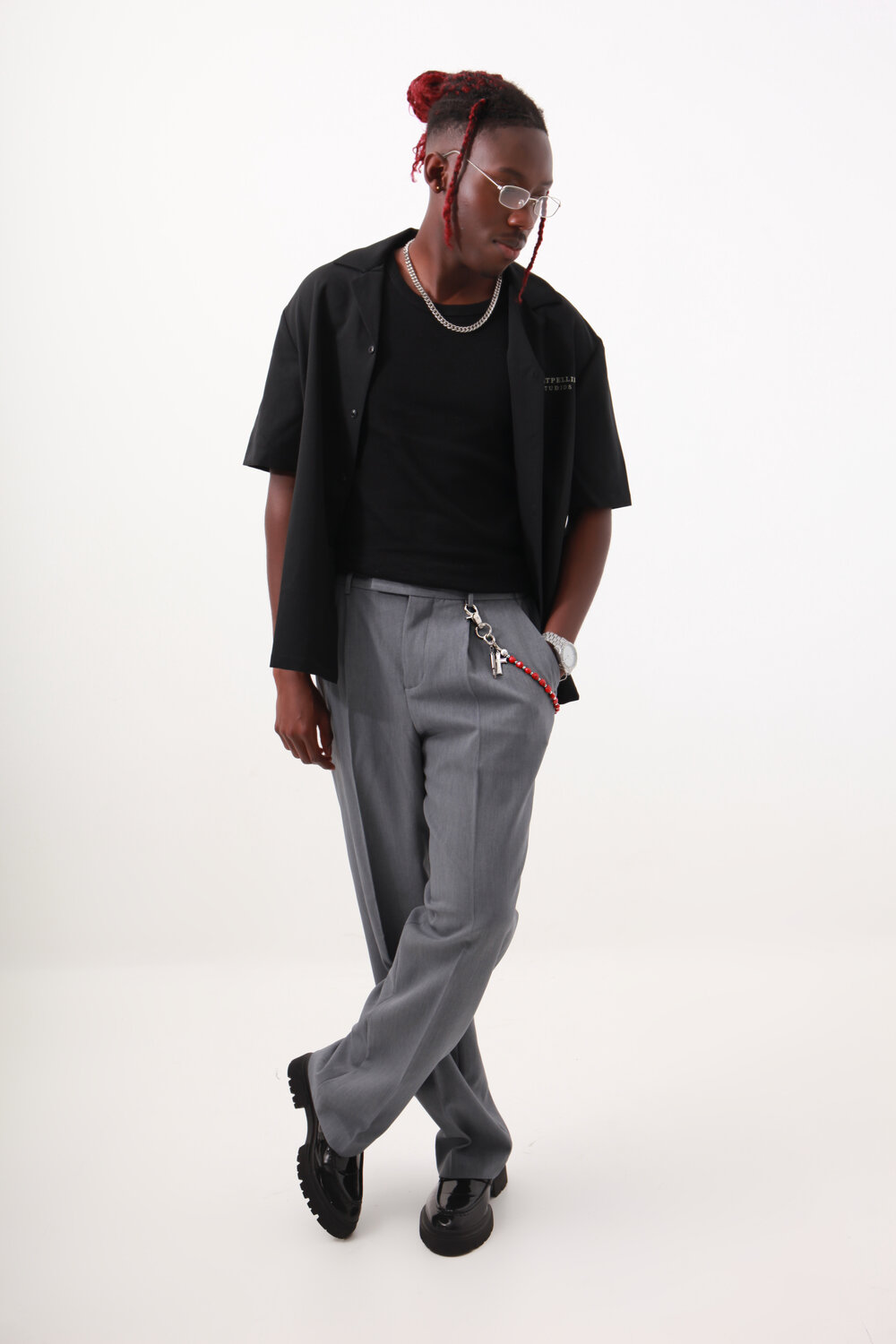
- Grey reads as neutral, considered and understated. It gets out of the way.
- White and cream read as clean, fresh and open.
- Green reads as balanced, natural and grounded.
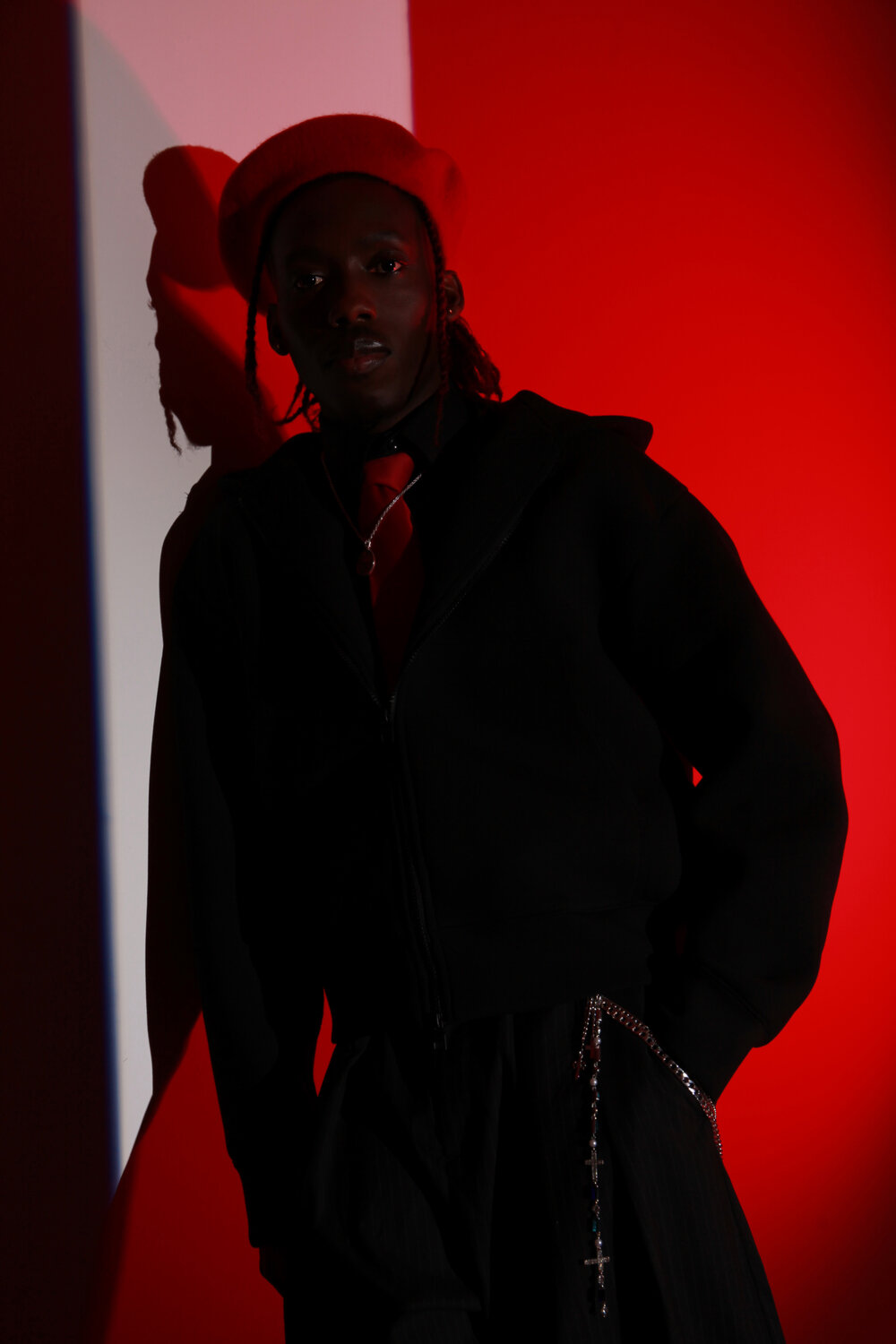
- Red reads as energy, boldness and confidence. Impossible to ignore.
- Yellow and gold read as optimism, warmth and attention.
- Earth tones, tan, rust and brown, read as warm, easy and approachable.
Warm or cool, pick a lane
Every colour has a temperature. Warm colours like cream, tan, rust and mustard feel cosy and approachable. Cool colours like white, grey, navy and black feel crisp and composed. Mixing the two in a single outfit is often what makes a "safe" look feel slightly off. Choose a lane, and the whole thing settles into place.
If you want to feel one way and be read another, colour is the lever.
How to use colour on purpose
- Feeling flat? Add one warm, bright piece and let it lift you.
- Nervous? Lean on calm neutrals you already trust.
- Want to be taken seriously? Reach for navy or charcoal.
- Want to be noticed? One bold colour against neutrals.
- Not sure? A neutral base plus one colour you love never fails.
The one-colour rule
Bold colour works best in one place, not five. A single strong colour against a quiet base reads as a deliberate choice; several loud colours competing for attention reads as an accident. Pick one hero colour, and let the rest of the outfit support it. Restraint is what makes colour look confident rather than chaotic.
You do not need to memorise a chart. Just remember that colour is doing two jobs at once, shaping how you feel and shaping how you are read, and start choosing it on purpose. That small shift, from grabbing whatever is clean to picking a colour with intent, is most of the work.
Read next
More on style and how you feel.
 Wellbeing
Dress for confidence
How what you wear changes how you feel, and how to dress for the version of yourself you want to be.
 Wellbeing
Dressing for the body you have
Fit, comfort and wearing what you love, in the body you are in right now.
 Wellbeing
Finding your identity through style
Style is not about looking good. It is about looking like yourself.
Put it into practice
Get colours picked for your mood.
Tell Rogue how you feel and get a palette and outfit ideas to match, in seconds.
Open the mood tool