Neutral and denim
Navy, grey, white and indigo. The core smart casual palette, with denim treated as your everyday neutral. It goes with a blazer as easily as a polo.
Best for: the reliable, everyday default.
The background
Smart casual is the dress code everyone is asked for and nobody quite explains. It lives in the gap between formal and casual: not a suit, but not a hoodie either. The whole idea is to take one relaxed piece and one sharp piece and let them meet in the middle. A blazer with jeans. A polo with chinos. A knit with tailored trousers.
At its core it's about three things: balance, fit and polish. One tailored element to lift the outfit, one relaxed element to keep it human, and a standard of fit that stops it reading as either scruffy or stuffy. Get that balance right and smart casual becomes the most useful, most flattering way to dress there is.
The building blocks
Six versatile pieces. Own these and you can dress for the office, a date or a weekend lunch by mixing them differently each time.

Grey or navy, soft and unlined. The piece that turns a tee and jeans into an outfit. Wear it open, sleeves as they are.
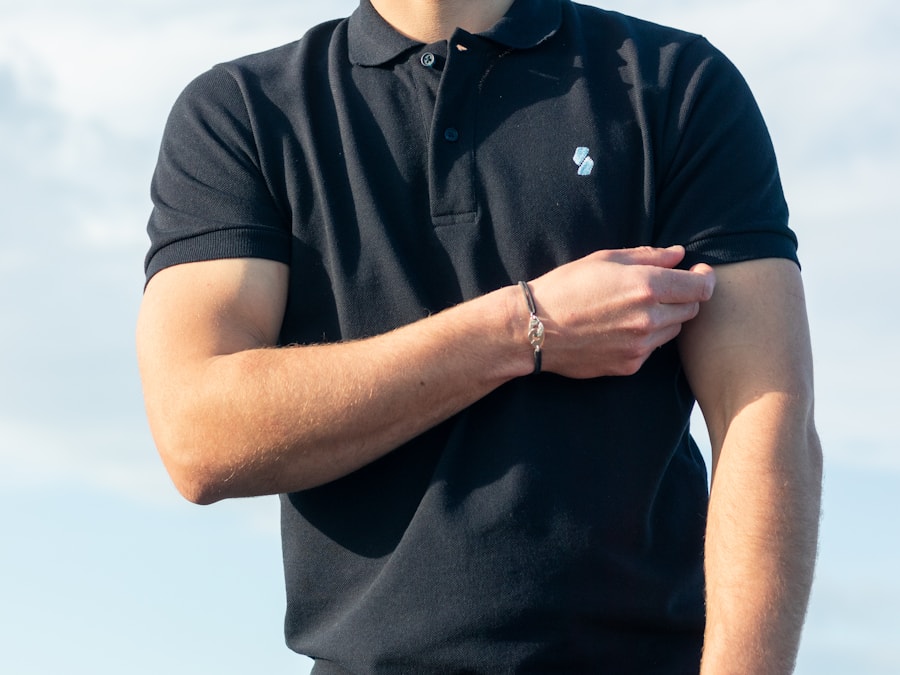
Navy or a muted tone, in pique or fine knit. Smarter than a tee, easier than a shirt. The warm-weather workhorse.
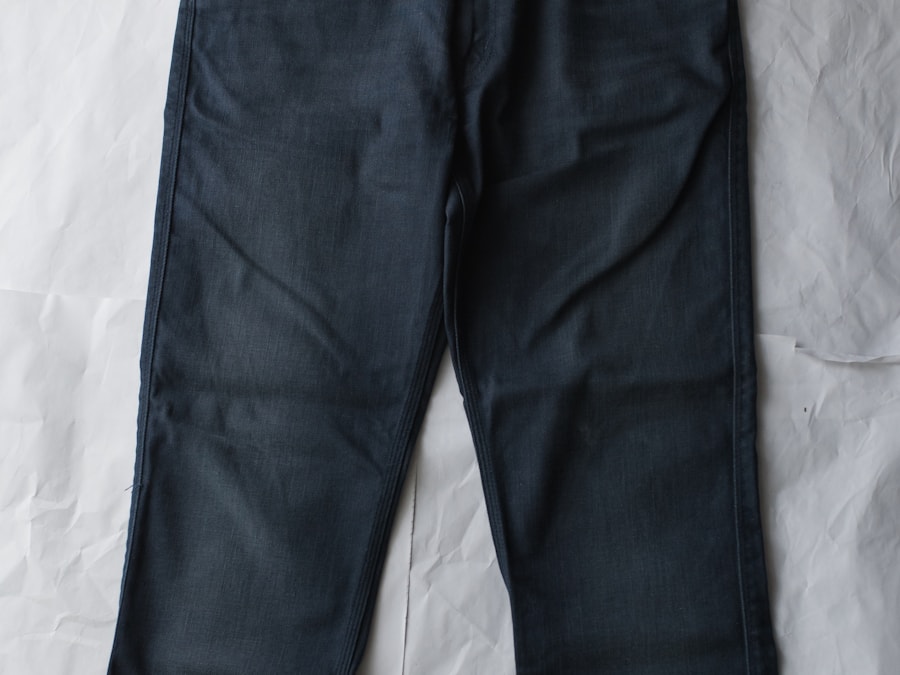
A slim or straight indigo, with no rips or fading. Dark denim reads almost as smart as trousers, and goes with everything up top.
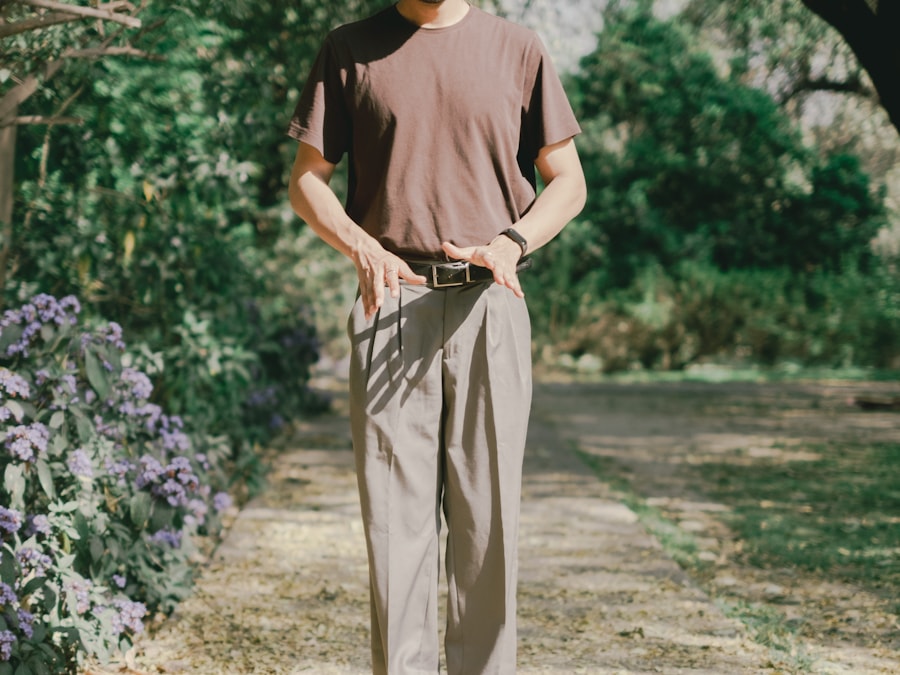
Stone, navy or olive cotton, with a clean taper. The relaxed trouser that still takes a blazer without missing a beat.
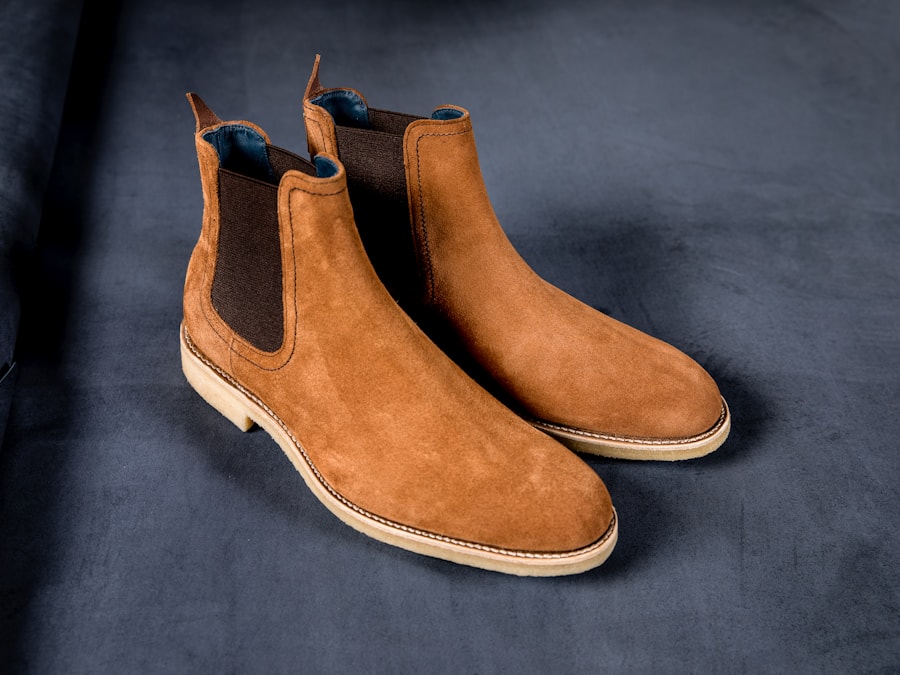
Suede or leather, in tan or black. The shoe that bridges smart and casual on its own, and works with jeans or trousers alike.

A fine merino crew or roll neck. Layer it under a blazer or wear it alone. Warm, smart, and endlessly easy to style.
See it worn
Tap any look to shop the pieces. No gatekeeping, everything you see here is something you can build.
 Shop the look
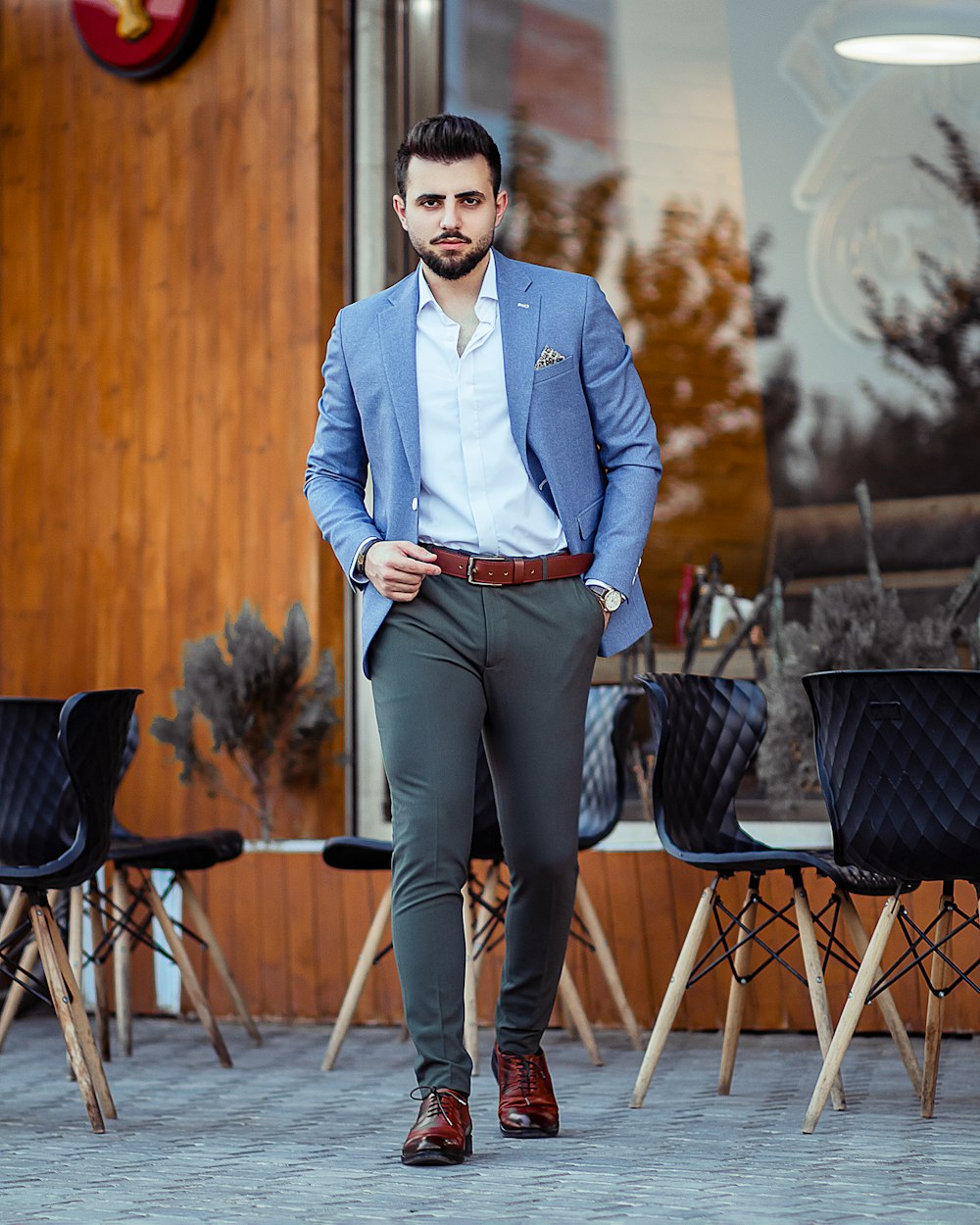 Shop the look
 Shop the look
 Shop the look
 Shop the look
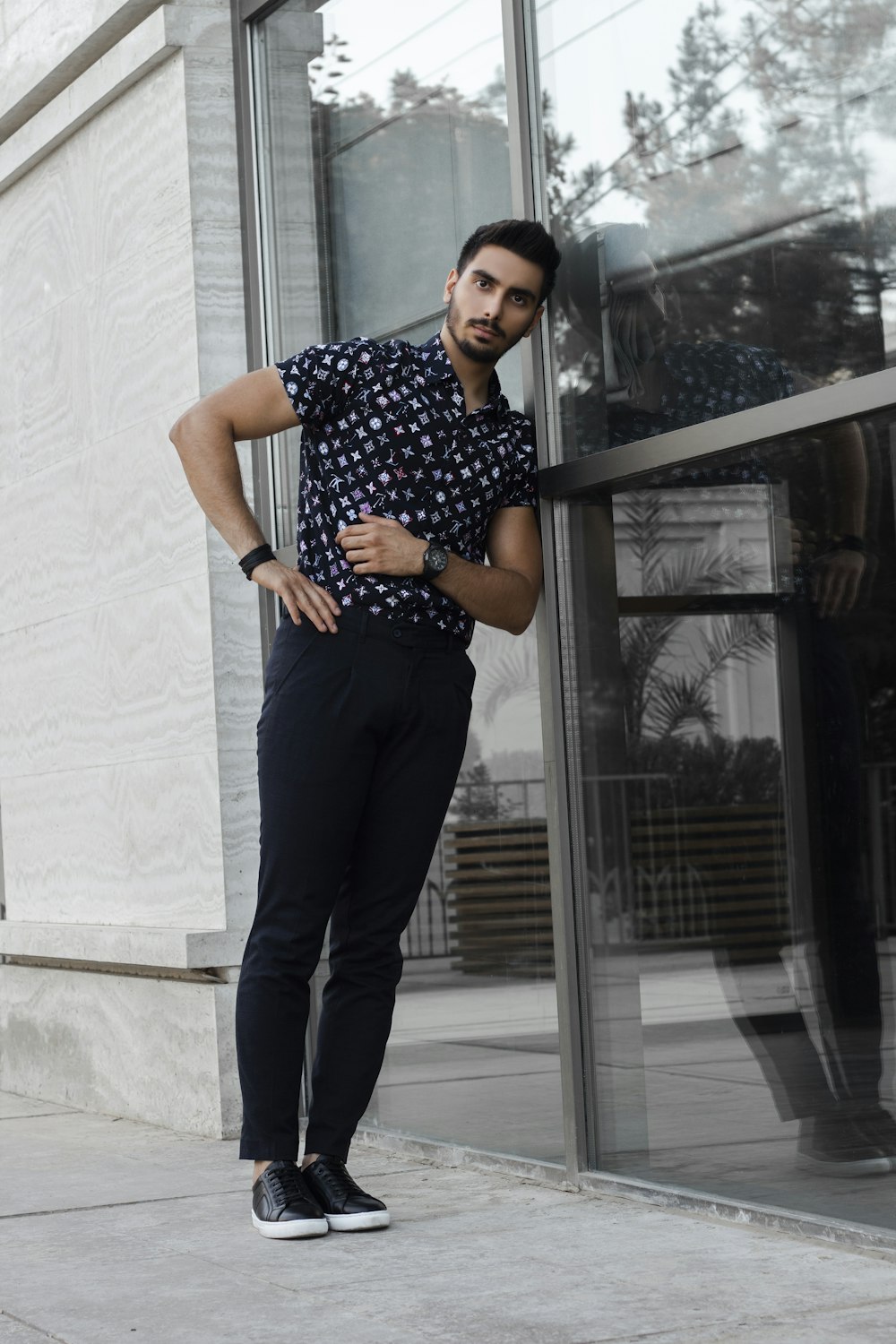 Shop the look
The formula
The same smart casual DNA, built up one considered step at a time. Tap any look to shop it.
 Beginner Shop the look
The easiest way in: a polo, a pair of chinos and a clean shoe. Three pieces, all in good cloth, and you already look pulled together. No jacket required.
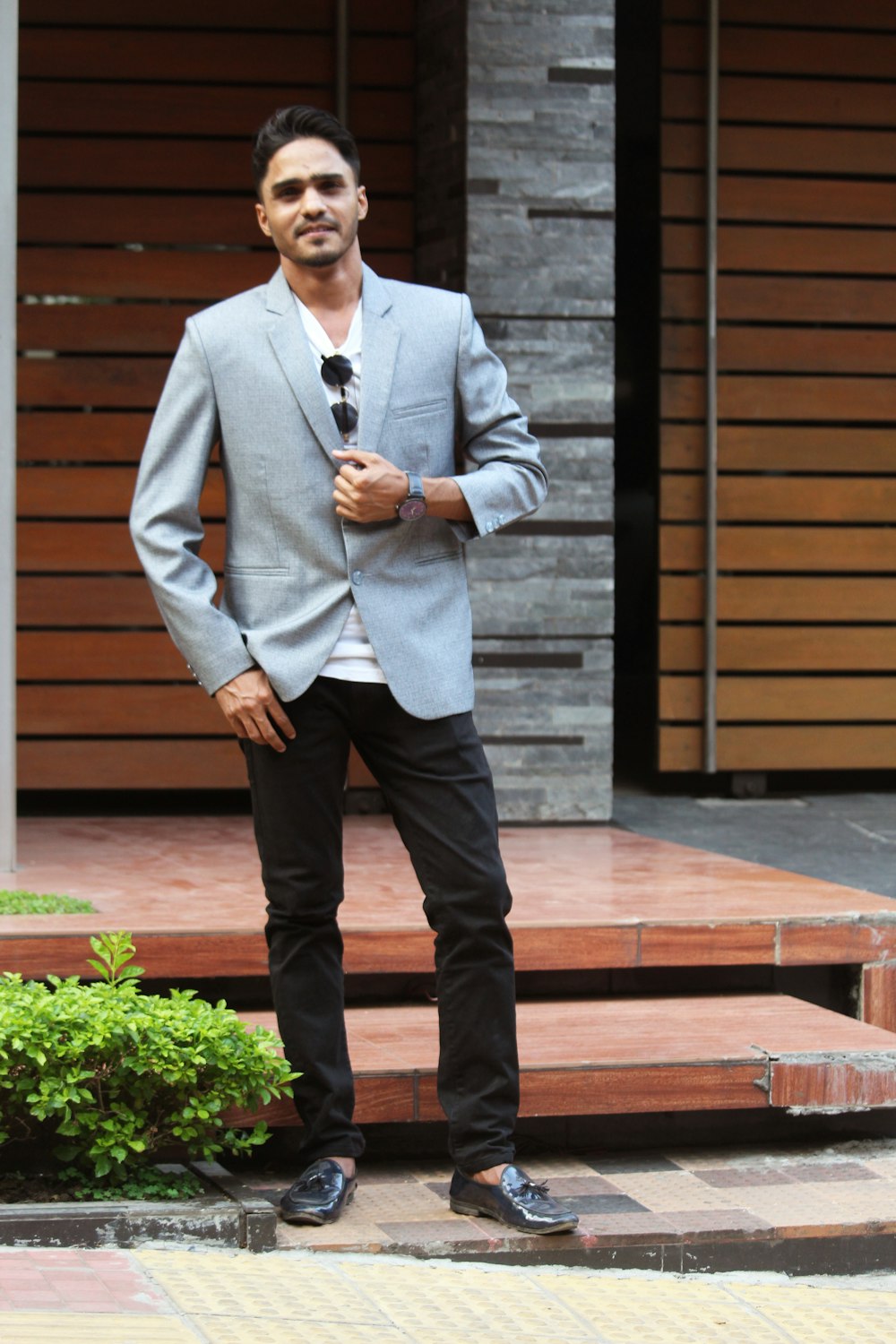 Intermediate Shop the look
What changed: a blazer over the tee. The jacket instantly lifts a casual base, and clean trainers keep it relaxed. This is the smart casual sweet spot.
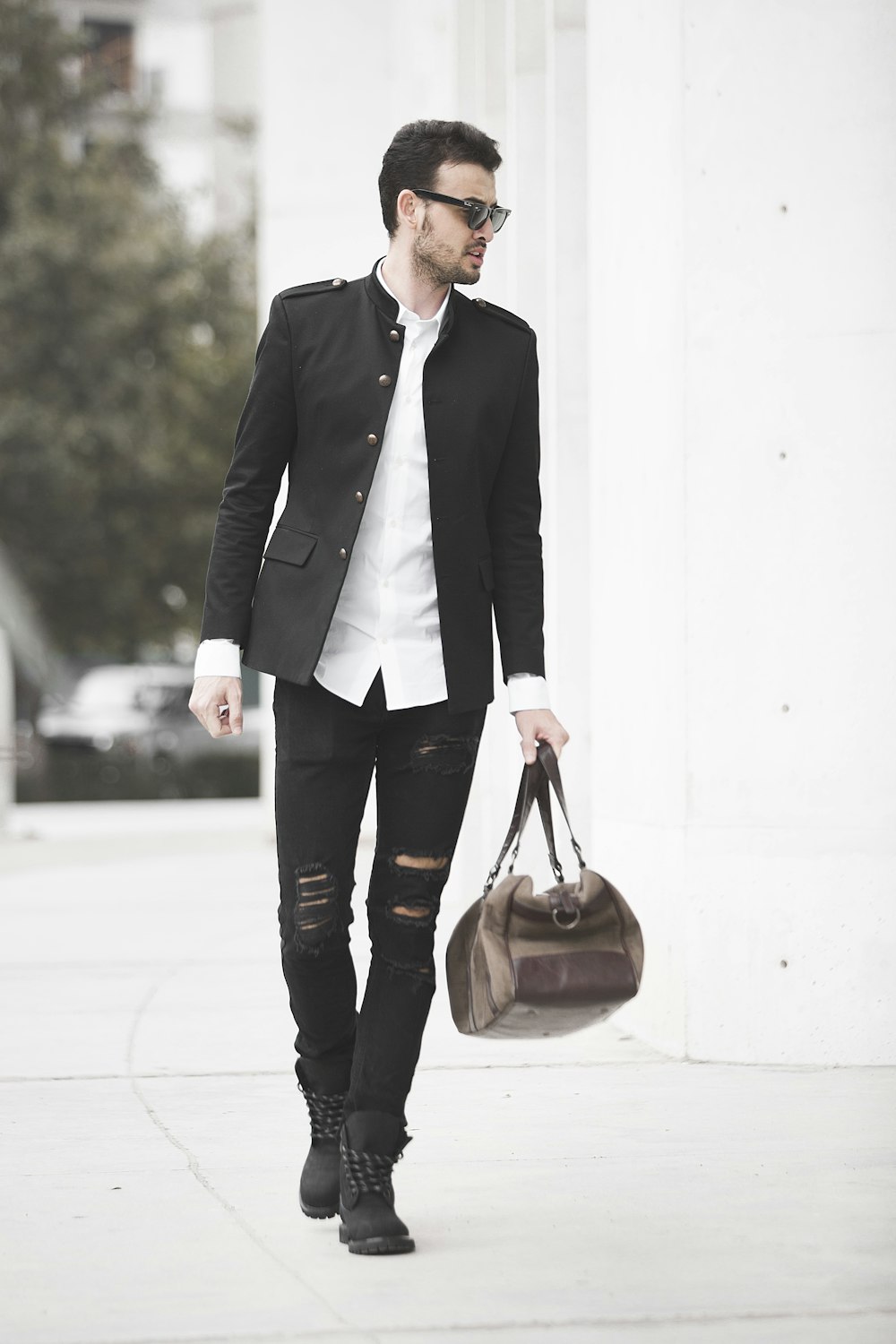 Advanced Shop the look
Why it's advanced: a monochrome palette, a crisp shirt under the blazer and a considered bag. Everything in one tonal family, cut clean. Smart casual at its most deliberate.
Colour
Smart casual gives you a little more freedom with colour than tailoring does, but the rules still apply. A neutral base, denim treated as a neutral, and colour used with intent. Three palettes to build from, and where a pop belongs.
Navy, grey, white and indigo. The core smart casual palette, with denim treated as your everyday neutral. It goes with a blazer as easily as a polo.
Best for: the reliable, everyday default.
Tan, olive, brown and stone. Warmer and more relaxed, made for overshirts, chinos and suede. The easygoing end of smart casual.
Best for: weekends and warmer weather.
A muted burgundy, forest or blue, in a single piece against neutrals. More freedom than tailoring allows, but still one pop and never a bright.
Best for: personality, kept tasteful.
Keep neutrals in one lane
Even here, neutrals have a temperature. Mixing warm and cool in the same fit is what quietly makes a considered outfit feel a little off. Choose a side and it settles.
Warm neutrals
Cool neutrals
Where the colour goes
Smart casual gives you room for a little colour, but keep it to one piece and keep it muted. Put it where the eye lands: near the face.
Blazer, jeans and shoes stay neutral. Let the piece near your face carry any colour.
Layering
Smart casual layering is a balancing act. The rule is simple: one tailored piece over one relaxed piece. Get the ratio right and the whole outfit reads as considered without ever looking like you tried too hard.
The relaxed piece
A tee, polo or fine knit. This is the casual half of the equation, and usually the quietest. Keep it plain so the layer over it can lead.
Cotton tee · polo · fine knit
The sharpener
An overshirt or a knit. Optional, but a great way to add a layer of polish before you reach for a full jacket. Keep it in the same family.
Overshirt · roll neck · cardigan
The tailored piece
A blazer or a smart jacket. This is what does the lifting, the one tailored element that turns casual into smart casual. Soft-shouldered, worn open.
Unstructured blazer · overshirt · field jacket
The golden rule
The whole formula in one line. Pair a tailored piece with a casual one, and never let it tip fully into either.
The dealbreaker
Because you are mixing registers, fit is what stops it reading as an accident. Everything should skim, nothing should swamp.
Texture
Smart casual is a meeting of textures as much as pieces. Tailored wool against rugged denim, fine knit against crisp cotton. The contrast between smart and casual fabrics is a lot of what makes the look tick.
A tailored blazer over indigo jeans. The defining smart casual contrast, refined against rugged.
A fine knit over a crisp cotton shirt, collar out. Soft against sharp, the easy way to layer.
Suede boots or loafers with a soft jersey polo. A little nap lifts a relaxed fit.
Cotton chinos with a wool blazer. Two everyday fabrics that still read differently side by side.
A textured pique polo with dark denim. Casual, but the polo's weave keeps it from looking flat.
Leather shoes with a rumpled linen shirt. Structure against ease, made for summer.
One rule to remember: the texture contrast is doing half the work, so lean into it. Pair your smartest fabric with your most relaxed one and let the difference show.
Put it together
One order to follow when you are dressing. Decide each piece before you add the next.
In one line
If you remember nothing else, remember this.
Get it right
Do
Don't
Worth knowing
A starting map, not a shopping list. We don't earn from any of these, and smart casual is more about how you combine pieces than where they came from.
Keep learning
Start with you
Take the two-minute Style DNA quiz to find out what you're really drawn to, then explore the styles that fit.