Faded earth tones
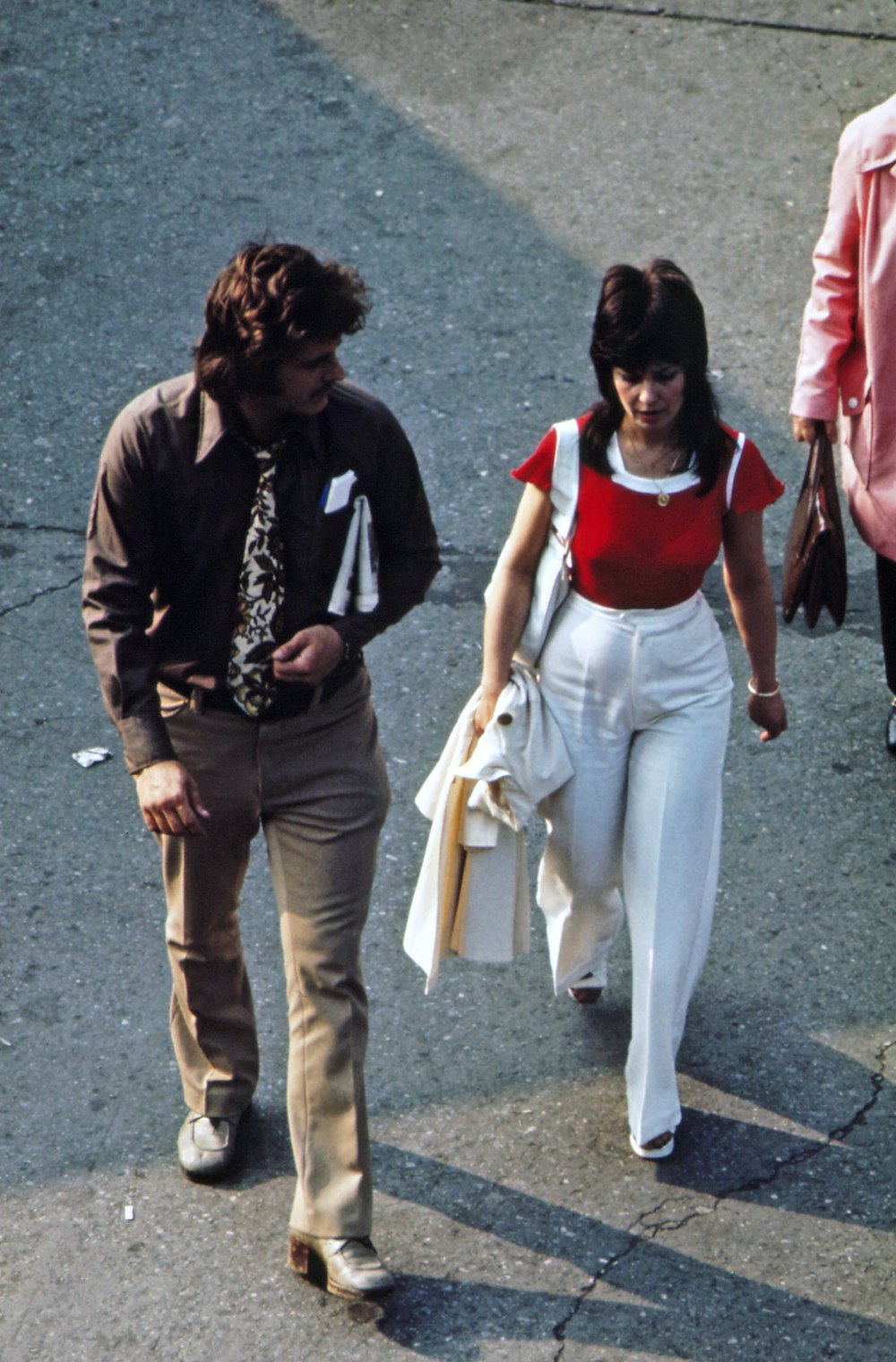
Brown, rust, mustard and olive, all worn soft. The seventies palette, warm and easy, and the safest place for a first vintage outfit to live.
Best for: warm, wearable, hard to get wrong.
The background
Vintage is fashion with a past. It means wearing genuine pieces from earlier decades, the seventies flares, the eighties leather, the nineties denim, or new clothes cut in their spirit. It grew out of thrift and necessity and became a movement: a reaction against throwaway fashion, and a way to own something with character no high street can print.
At its core it's about three things: character, individuality and sustainability. A worn-in piece tells a story a new one cannot. Secondhand means nobody else has your exact fit. And buying old over new is the most sustainable thing you can do with your wardrobe. Done right, vintage is personal style at its richest.
The building blocks
Six pieces with history in them. Find these secondhand and you have the makings of a wardrobe nobody else can copy.
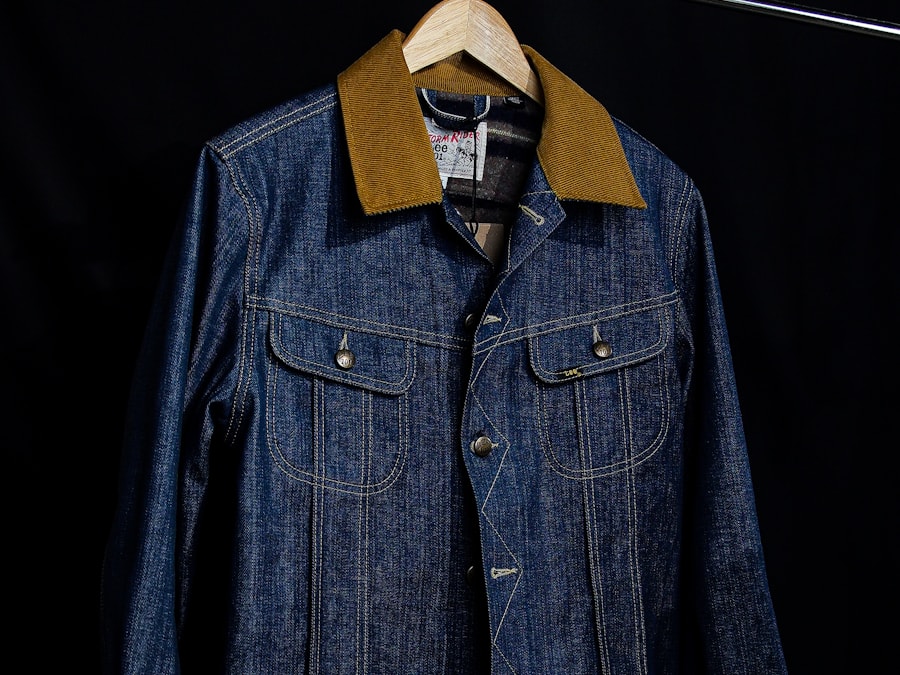
A well-worn trucker, faded just right. The single most versatile vintage piece, and one that only improves with age and wear.
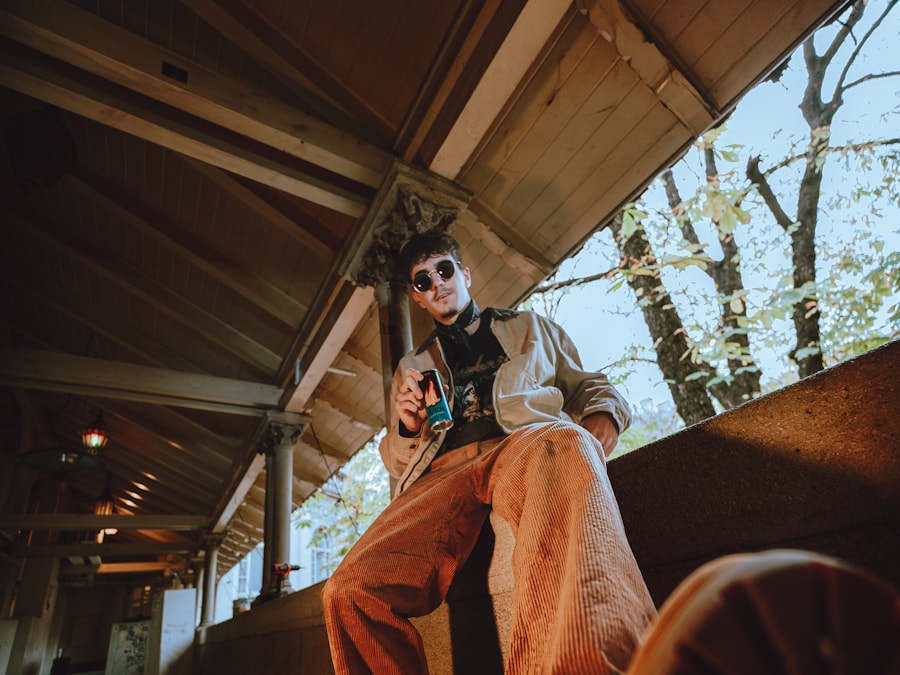
In rust, brown or olive. Cord is vintage in a single fabric: warm, tactile and unmistakably retro. The trouser that anchors an autumn fit.

Fair-isle, stripes or a bold seventies motif. A knit with a pattern is a whole outfit on its own. Wear it over something plain.
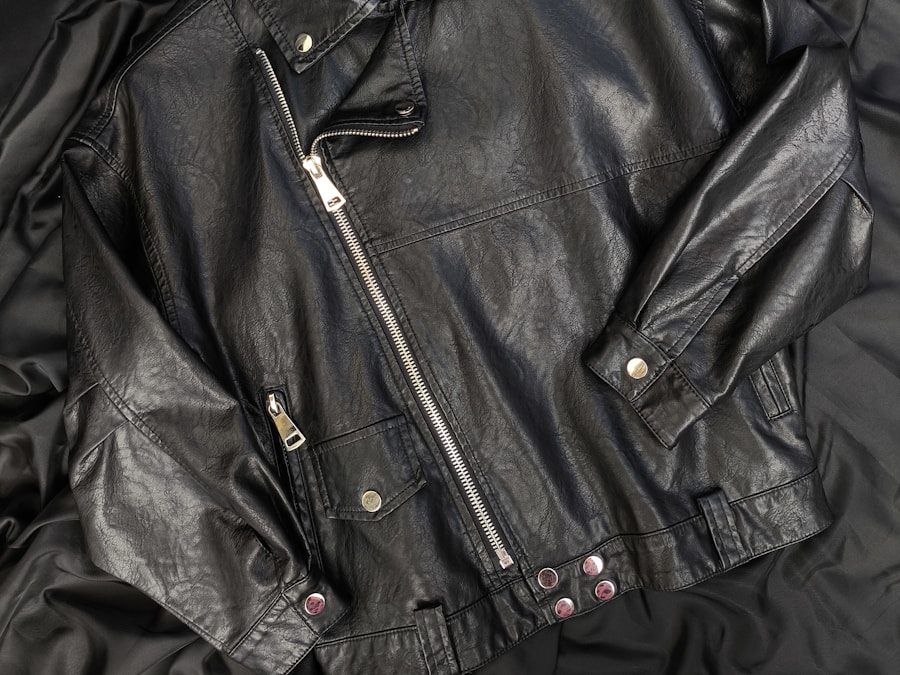
A biker or a bomber, broken in over years. Nothing new looks as good as leather with real miles on it. The ultimate character piece.
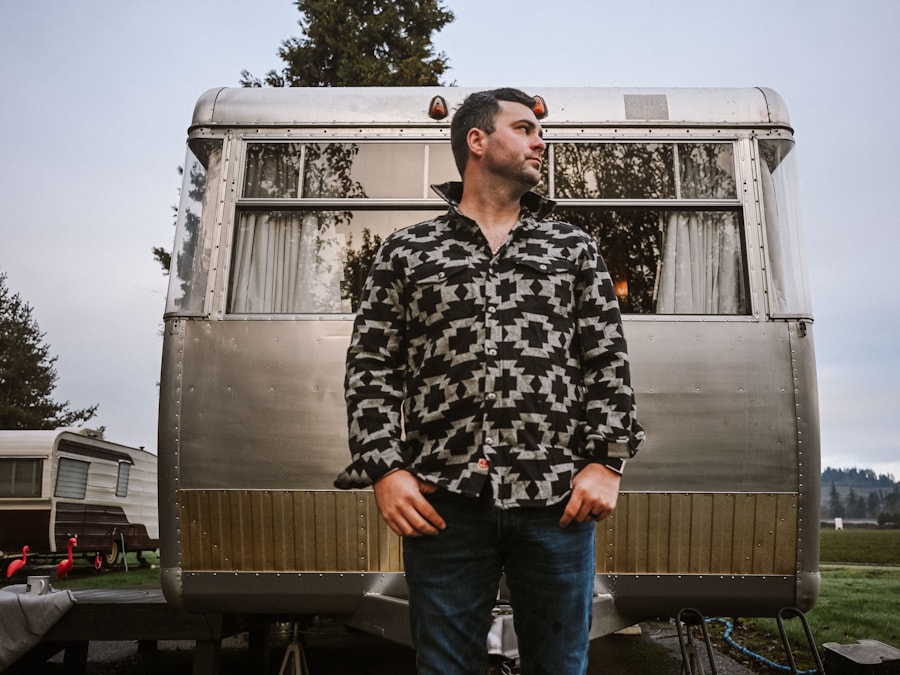
Geometric, floral or paisley, the louder the better. One bold vintage shirt, worn with plain trousers, carries an entire look.
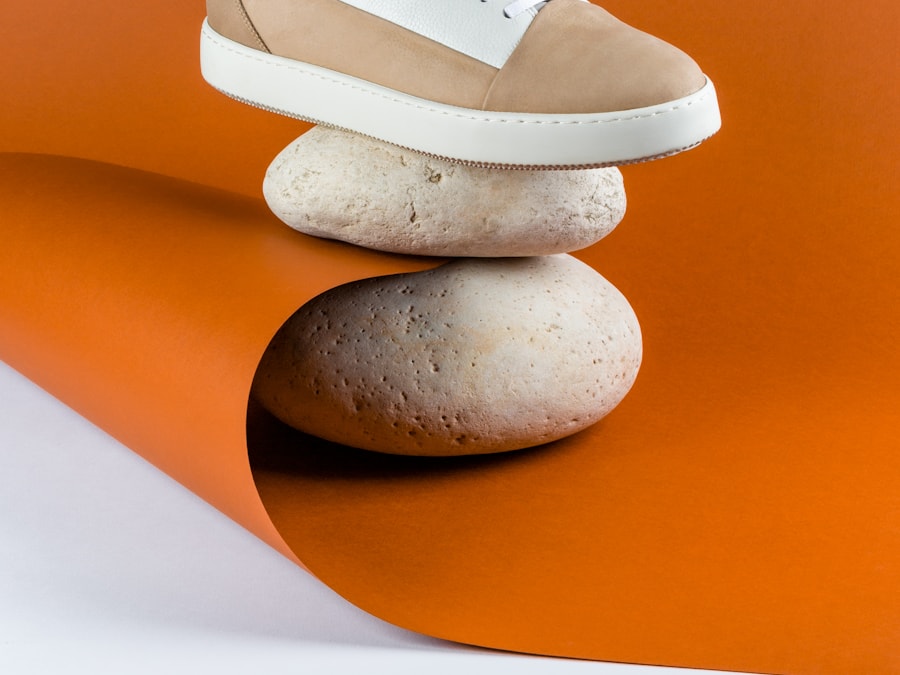
A suede court shoe or an old-school runner, in tan or off-white. The retro silhouette that finishes a vintage fit without trying too hard.
See it worn
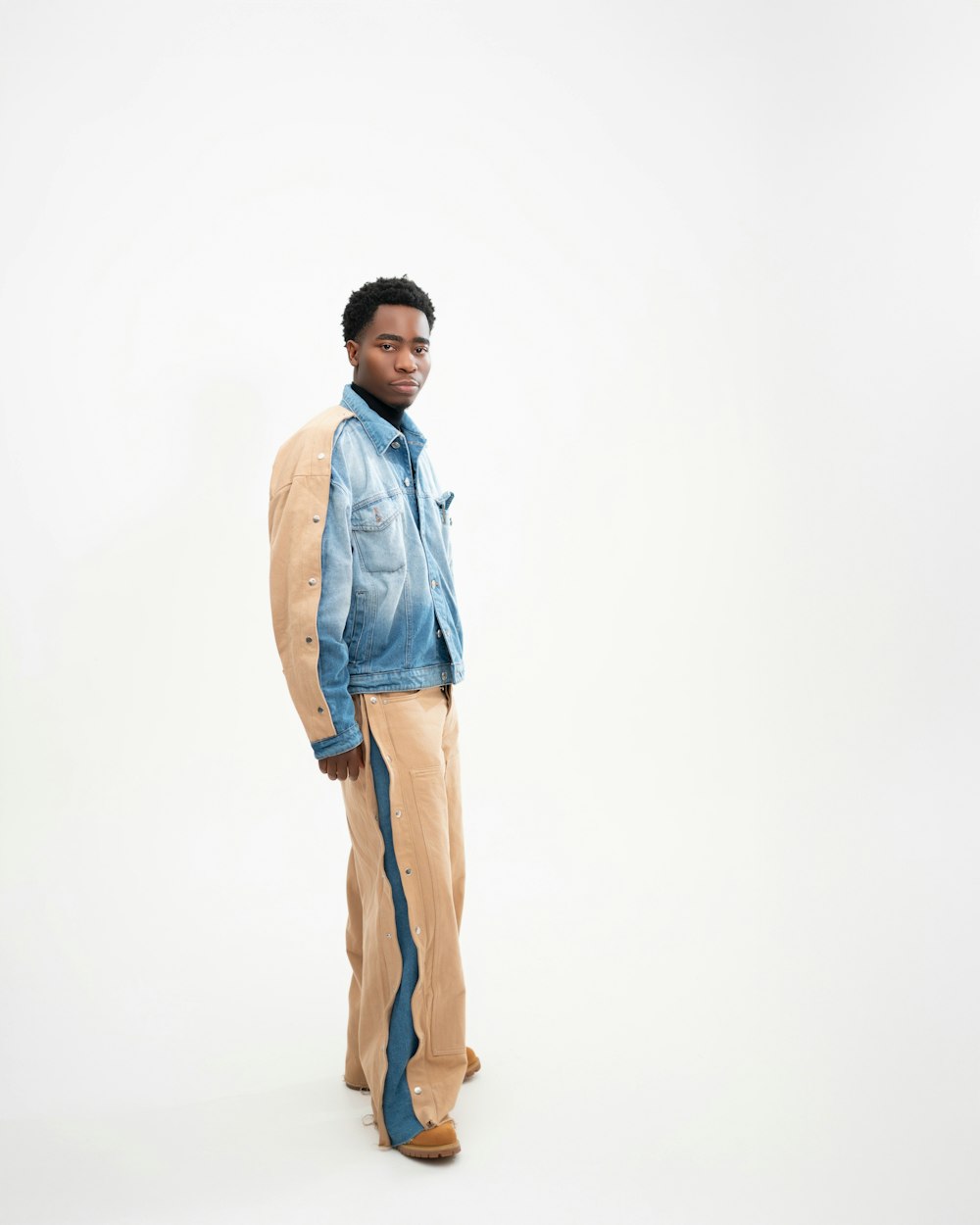
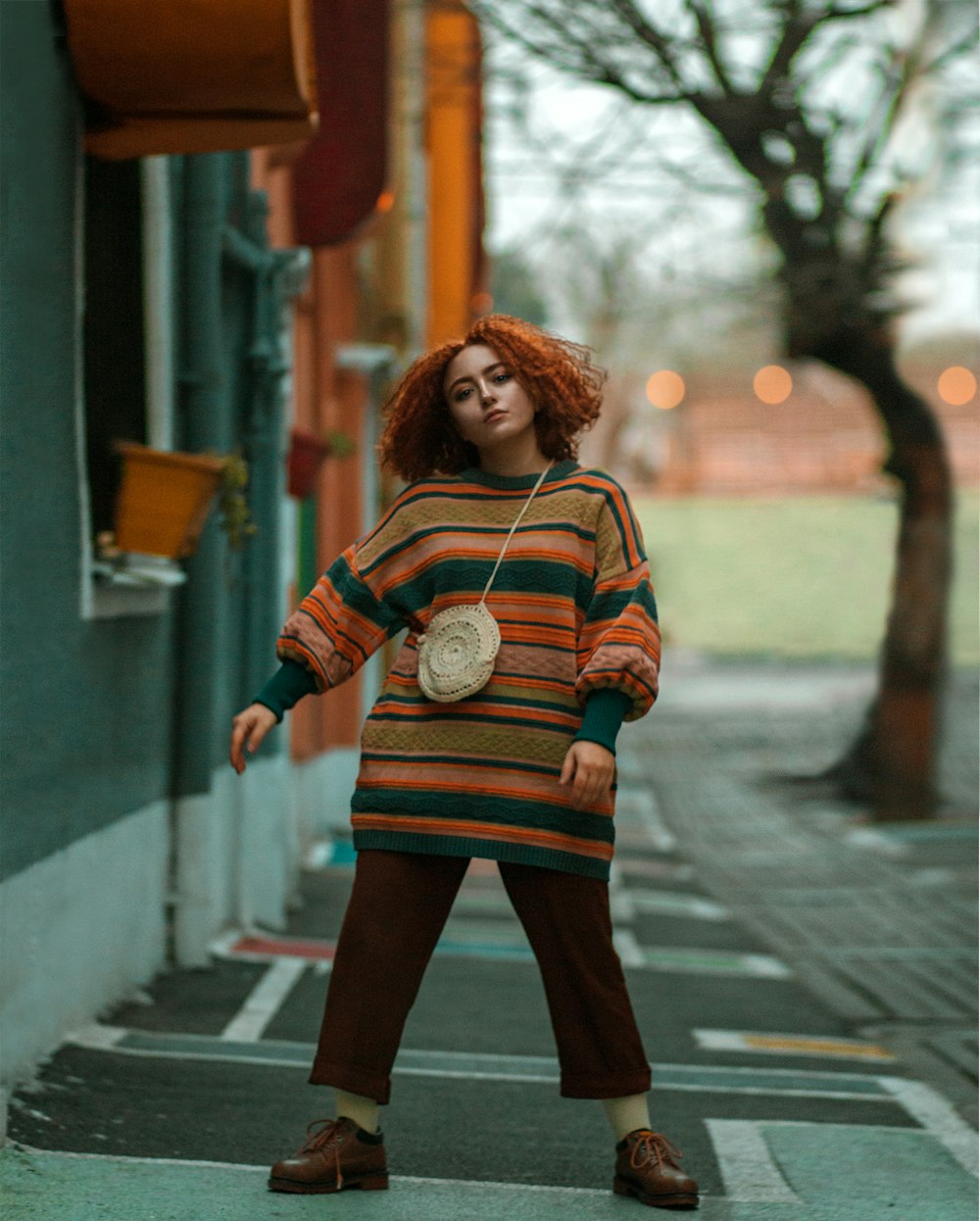
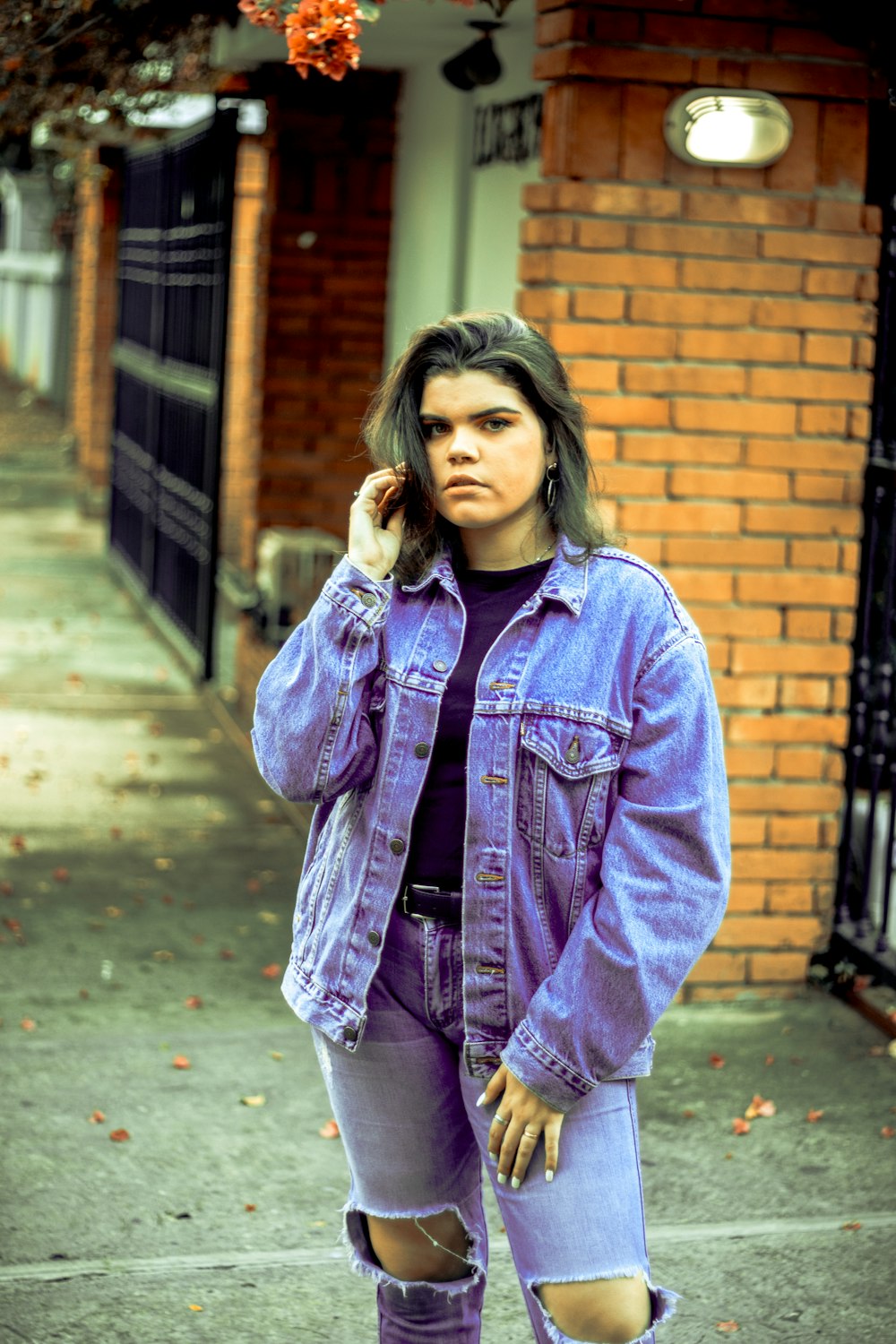
Tap any look to shop the pieces. No gatekeeping, everything you see here is something you can build.
 Shop the look
 Shop the look
 Shop the look
 Shop the look
 Shop the look
 Shop the look
The formula
The same vintage DNA, taken one committed step further each time. Tap any look to shop it.
 Beginner Shop the look
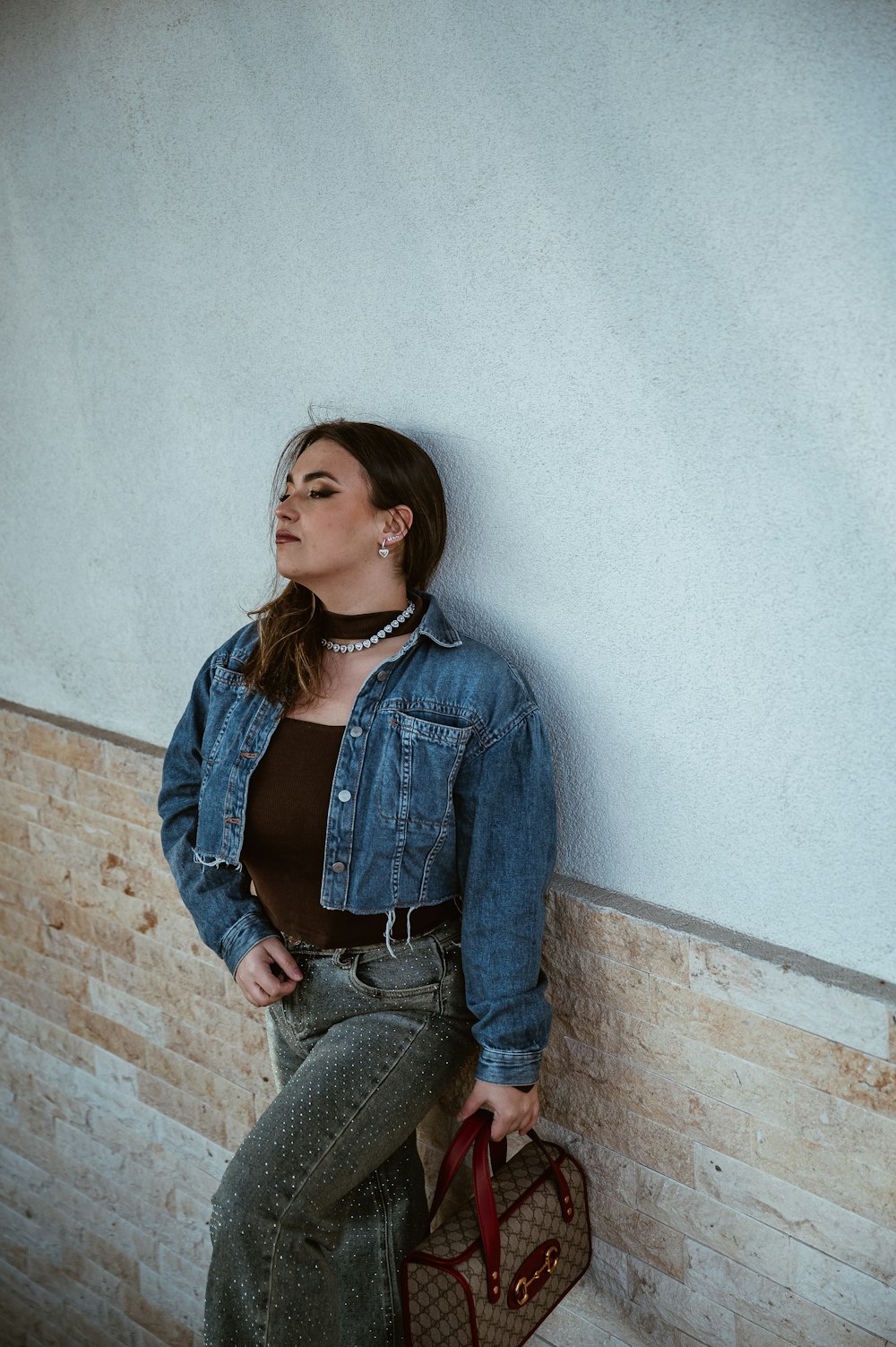
The easiest way in: one genuine vintage piece, a denim jacket, worn with modern basics underneath. You do not need a head-to-toe era look to start. Let one piece carry the character.
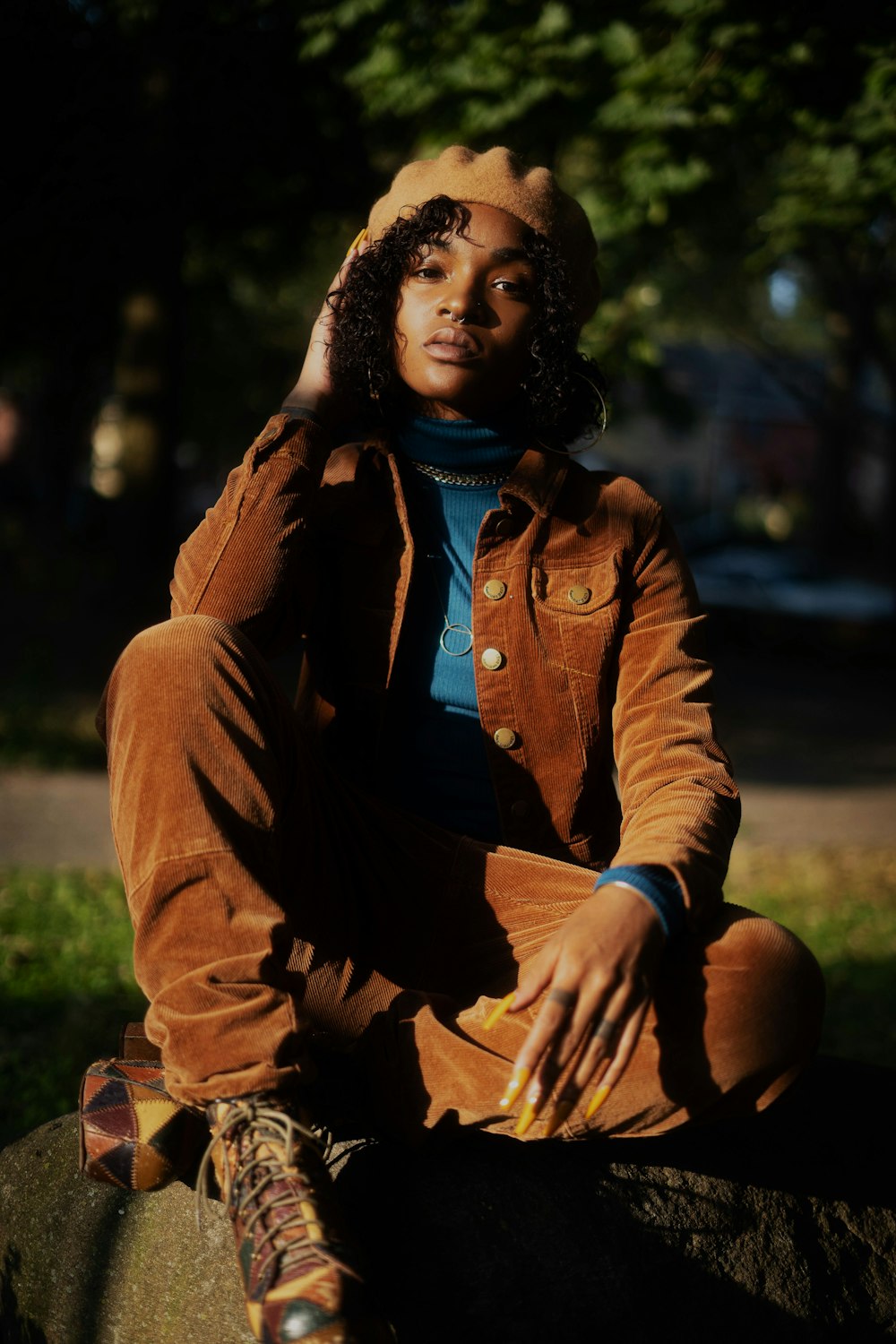 Intermediate Shop the look
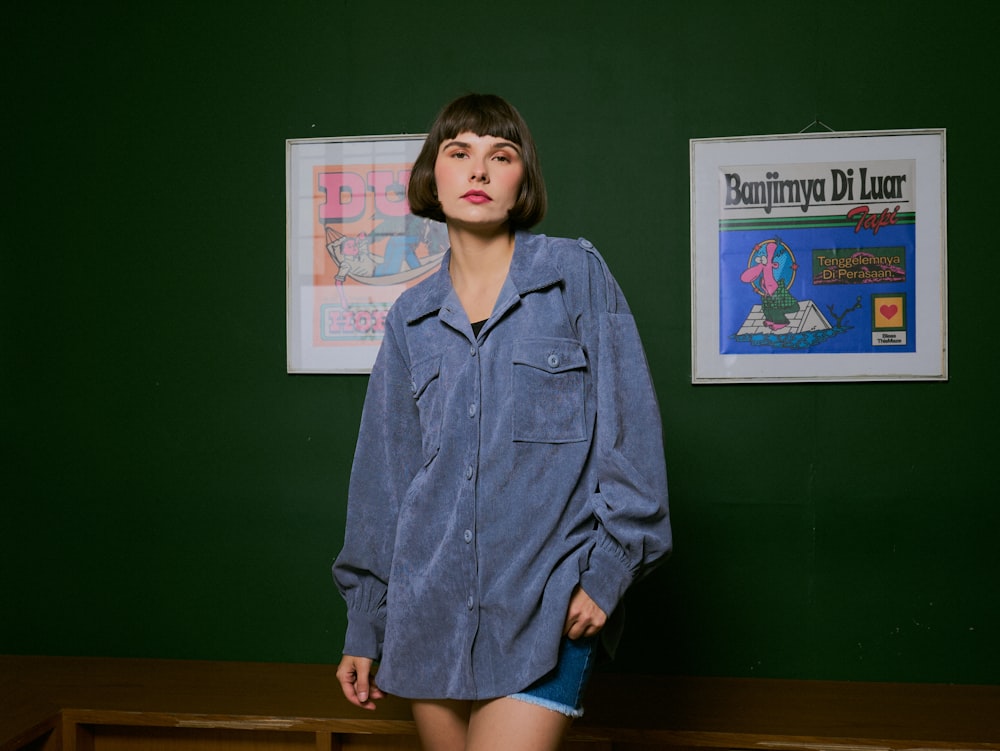
What changed: a full retro pairing, corduroy in a warm tonal palette, finished with a beret. Now the textures and the decade line up, and it reads as a considered vintage look.
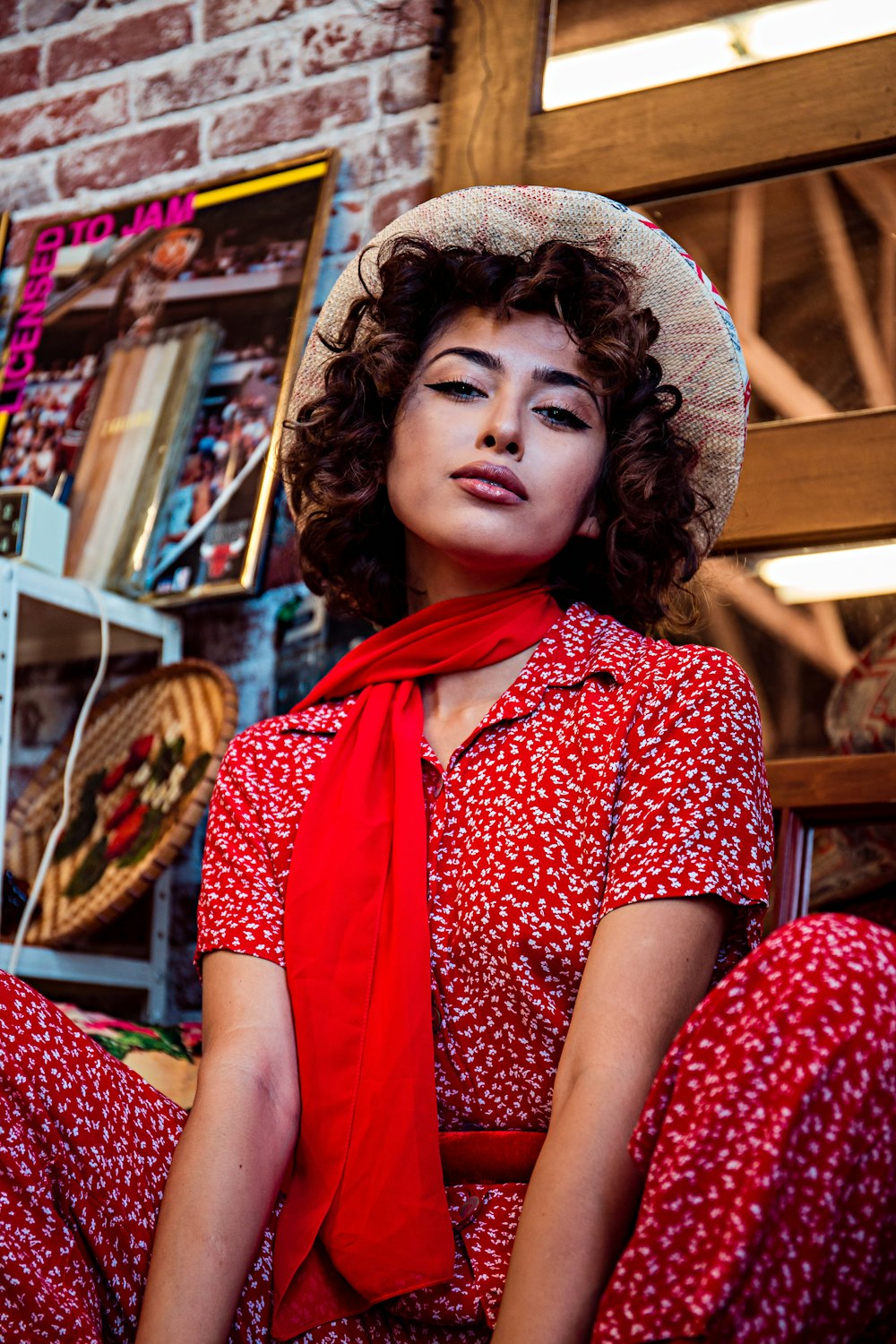 Advanced Shop the look
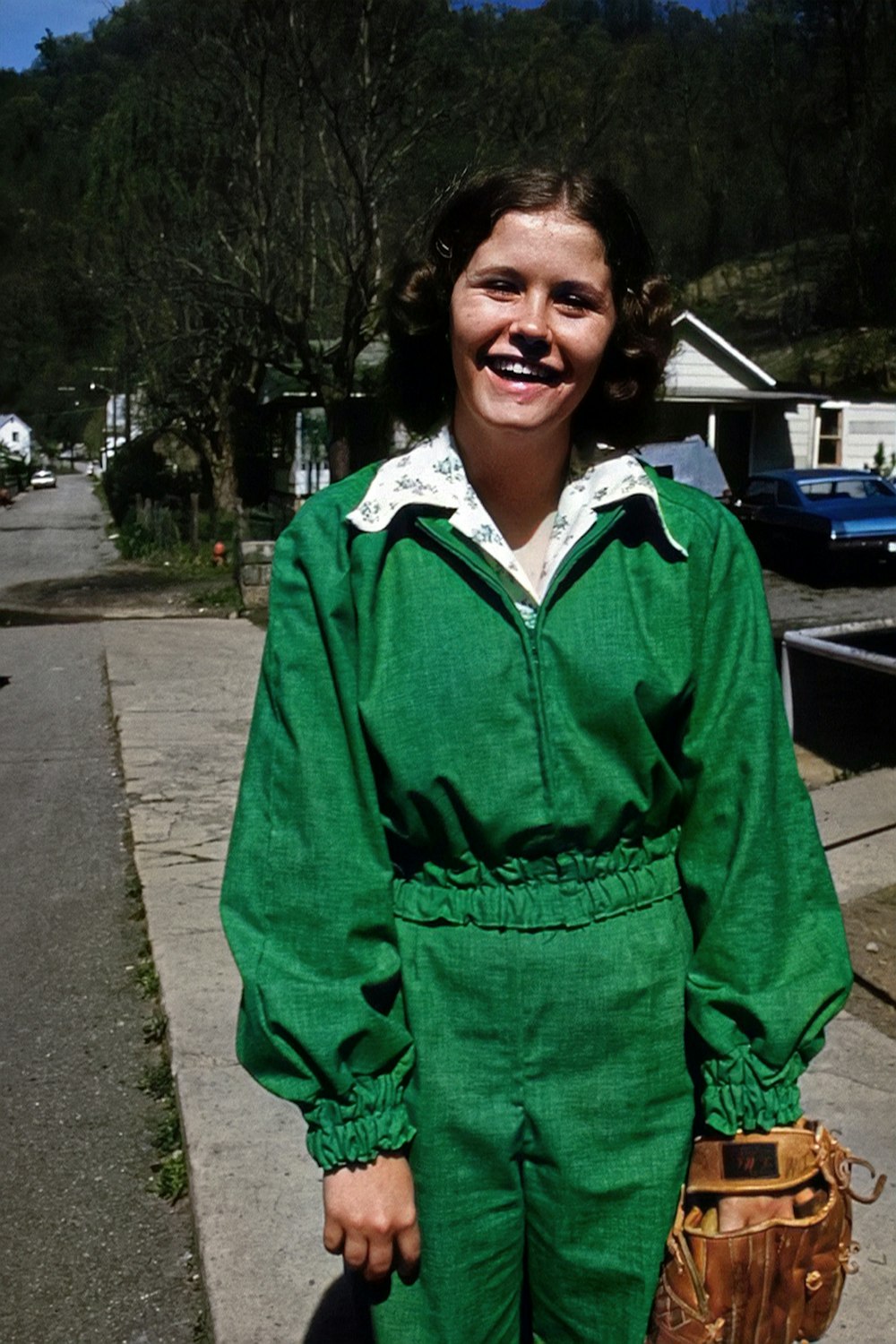
Why it's advanced: head to toe styling from a single era, a bold pattern, a neck scarf and a hat, all speaking the same decade. This is vintage worn with total conviction.
Colour
Vintage runs warmer and bolder than most modern style. Faded earth tones, one loud pattern, or denim head to toe. The trick is picking a lane and letting the years soften everything into place.
Brown, rust, mustard and olive, all worn soft. The seventies palette, warm and easy, and the safest place for a first vintage outfit to live.
Best for: warm, wearable, hard to get wrong.
A fair-isle, a floral or a geometric print as the hero, against plain everything else. Let the pattern lead and the outfit builds itself around it.
Best for: personality, front and centre.
Blue on blue, with the washes mixed so each piece reads separately. The most reliable vintage palette there is, and it only looks better as it fades.
Best for: an easy, timeless vintage default.
Vintage runs warm
Where modern style often leans cool and grey, vintage lives in warm neutrals. Browns, tans, creams and rust. Build your base here and everything feels of a piece.
The vintage warm base
With a period accent
Where the pattern goes
Vintage patterns are bold, so give them room. One patterned piece per outfit, and let everything around it stay simple and quiet.
A single bold pattern reads as considered. Two competing prints read as a jumble.
Layering
Vintage layering is about mixing textures and letting things look lived-in. Three layers, each a different era-defining fabric, worn a little loose and a little worn. Nothing too precious.
Plain and soft
A plain tee, a ribbed top or a fine knit. The quiet layer that lets a patterned or textured piece over it lead. Soft, washed, nothing stiff or new.
Ringer tee · ribbed top · fine knit
The character
A patterned knit, a flannel or a corduroy overshirt. This is where the decade shows, so make it the piece with the most history and the most texture.
Fair-isle knit · flannel · cord overshirt
The heirloom
A denim jacket, a leather biker or a wool coat, ideally the most broken-in thing you own. The outer layer is where vintage earns its character.
Denim trucker · leather biker · wool overcoat
The golden rule
Pieces from wildly different decades can clash. Keep a look loosely within one era and it reads as intentional rather than a jumble sale.
The dealbreaker
Old clothes were cut for other bodies. A genuine piece that does not fit is worth nothing. Buy for fit first, and get a tailor on speed dial.
Texture
Vintage is the most texture-rich style there is. Corduroy, denim, leather, wool, suede and flannel all carry the feel of another era. Pairing them is a lot of what makes a vintage fit read as real rather than costume.
Warm ribbed corduroy against rugged denim. The definitive seventies pairing, soft meets sturdy.
A hard leather jacket over a soft chunky knit. Tough against cosy, the eternal cool-weather combination.
Faded denim with a wool knit or coat. Casual and considered at once, and endlessly re-wearable.
Suede trainers or a jacket with plain cotton. A little nap adds warmth and a retro softness.
A brushed flannel shirt with corduroy below. Two soft, warm fabrics, pure autumn nostalgia.
A patterned knit under a leather jacket. The pattern peeks out, the leather frames it.
One rule to remember: worn-in beats brand new. A little fade, a soft hand, a broken-in feel. That lived-in texture is exactly what you cannot buy off a shop rail.
Put it together
One order to follow when you are dressing. Pick your era, then build the layers around one hero piece.
In one line
If you remember nothing else, remember this.
Get it right
Do
Don't
Worth knowing
A starting map, not a shopping list. We don't earn from any of these, and the best vintage often comes from a local charity shop or a car boot sale, not a website.
Vintage retailers
Heritage brands to look for
New, cut in the spirit
Keep learning
Start with you
Take the two-minute Style DNA quiz to find out what you're really drawn to, then explore the styles that fit.